
Your body can be ice-cold and blazing hot at the same time. Chills hit, teeth chatter, then boom—you’re sweating like a busted sauna. Skin burns, joints ache, head feels stuffed with sand. Light stabs. Water tastes like salvation. And your thoughts? Slow, stubborn, stupid. Is it fever or just overheating from that marathon ego? Here’s how to tell, what it means, and when to quit toughing it out—because the clock is louder than you think.
Key Takeaways
- Early sensations include a hot forehead, flushed face, aching eyes with light sensitivity, dry mouth, heavy head, and slowed thinking.
- Chills often precede sweats: shivering raises temperature, causing muscle aches; once the setpoint is reached, vasodilation and sweating help cool you.
- Fever brings chills and craving blankets; overheating causes dizziness, cramps, pounding heart, hot dry skin—use a thermometer to confirm high temperature.
- Symptoms vary by age: babies have hot cheeks and clinginess; children shiver and sweat; adults get chills and brain fog; older adults may feel weak.
- Seek urgent care for 103°F or infants under 3 months with 100.4°F; otherwise rest, hydrate, cool the room, and use acetaminophen or ibuprofen as directed.
Common Sensations and Early Signs
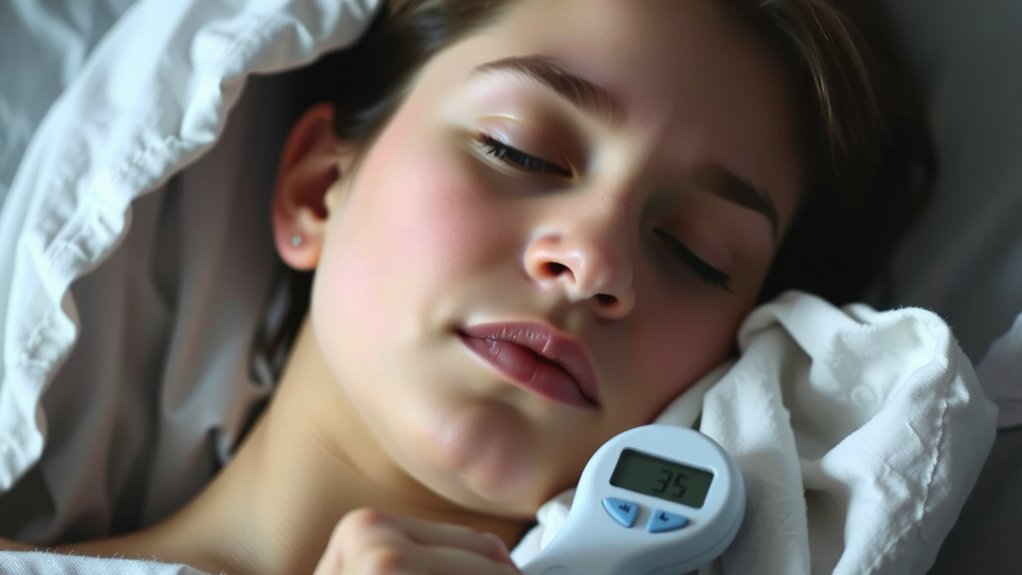
Although it sneaks in quiet, a fever loves drama—you feel wrong before you know why. Your forehead heats up like a busted radiator. Then your face betrays you. Flushed skin. Bright as a stoplight. You blink hard. Eyes ache. Light stabs. Your tongue sticks to your teeth—hello, dry mouth. You sip water like it owes you money. Head heavy. Thoughts slow. You miss texts. You miss turns. Simple tasks feel like uphill sprints. Your pulse taps louder than your playlist. You touch your neck. Too warm. You smell normal, you claim. Sure. You’re not fooling anyone. You want the couch. Now. The room seems closer. Time drags. Every breeze feels personal. Admit it. Something’s off. Don’t wait for permission. Notice it. Own it. Act.
Why Fever Causes Chills, Sweats, and Aches
Since your brain secretly cranks the thermostat, you freeze, then you melt, then everything hurts.
Blame the pyrogen pathways.
Germs poke your immune system and it fires signals to the hypothalamic setpoint.
Up it goes.
Now your body thinks normal is higher.
So you shiver.
Hard.
Muscles burn fuel like a furnace to hit the new target, and that grinding work aches.
You curl up.
Teeth chatter.
Skin goes goose-bump wild.
Then you finally reach the mark.
The brain calls off the shiver dogs and flips to cooling.
Vessels open.
Sweat pours.
You’re drenched and annoyed.
Salt stings your eyes.
And yes the ache lingers because cytokines juice pain nerves and joints protest like drama queens.
You wanted comfort.
You get fire drills.
Today.
Fever vs. Overheating: How to Tell the Difference

Shivers and sweat got your attention; now you want to know if your body’s fighting smart or just cooking itself stupid. Fever means your brain raises the set point. You feel cold, you pile on blankets, your core temperature climbs on purpose. Overheating laughs at that. Heat outside plus effort plus ambient humidity traps sweat, and you roast against your will. Clues? Fever brings chills, body aches, and then a sweaty “break.” Overheating brings pounding heart, dizziness, goose‑egg headache, cramps, sometimes hot dry skin. Take a thermometer, not a selfie. High core temperature with chills screams fever. High temp without chills in heat screams overheating. Move to shade, drink water, cool down. Still confused or faint? Stop guessing. Get help now from a pro.
What Fever Feels Like in Babies, Kids, Adults, and Older Adults
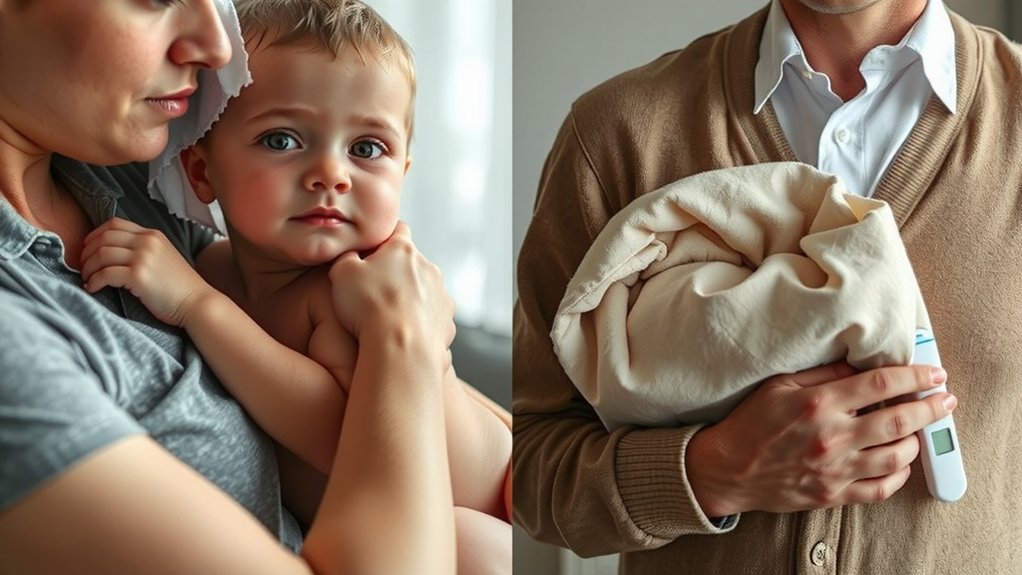
While the number on the thermometer matters, age flips the script on how fever actually feels.
Numbers matter, but age rewrites what fever feels like in your bones.
Babies won’t explain. You read clues. Hot cheeks. Sudden clinginess like you’re the last island. Sleepy then wired then wailing, whiplash. Tiny shivers.
Drama machines. They shake, sweat, demand cartoons, then crash. Head hurts. They want your lap and the world quiet.
Adults act tough. You don’t fool anyone. Chills hit like hail. Skin hurts. Joints groan. Brain fog rolls in and parks. You crave blankets and distance and zero meetings.
Older adults play by different rules. Subtle heat. More weakness than fire. Dizzy, off-balance, just not right. Appetite vanishes. Confusion sneaks in. That’s real.
These age differences shape emotional effects: fear, irritability, need, defiance. Don’t pretend otherwise.
When to Seek Medical Care and What to Do at Home
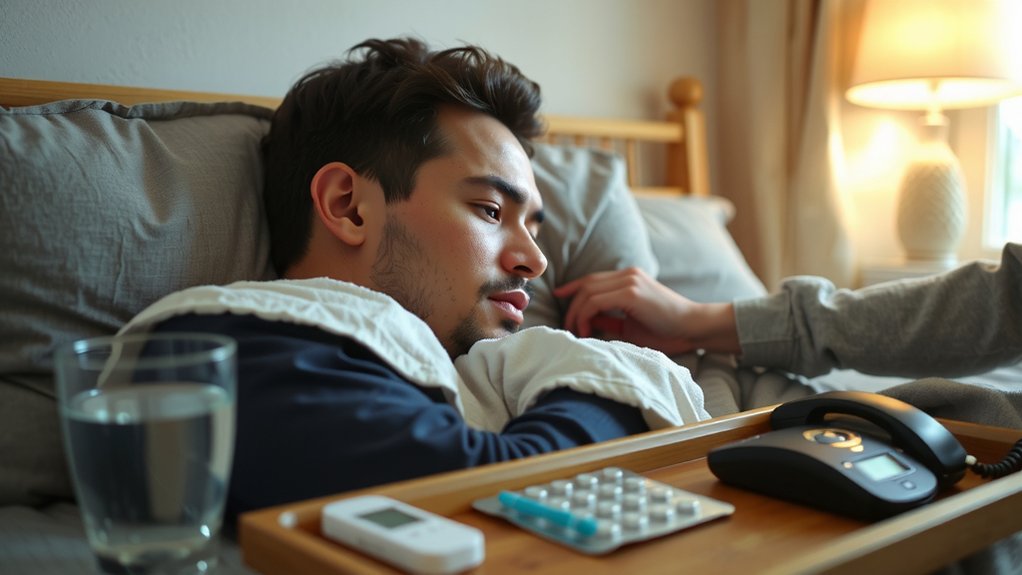
Because pretending it’s “just a bug” is how you land in the ER, here’s the line: you ride it out at home if you’re drinking, peeing, breathing fine, and the temp stays in the low 100s; you call or go in now if a baby under 3 months hits 100.4°F, if anyone hits 103°F and won’t budge, if there’s trouble breathing, chest pain, a stiff neck, a seizure, a purple rash, nonstop vomiting, dehydration, or confusion—yes, even “just acting weird.” At home, don’t play hero.
Sip fluids. Pee light. Rest hard. Use acetaminophen or ibuprofen, not both, and follow doses. Skip aspirin for kids. Cool room. No ice baths. Watch Danger Signs. Worsening cough? Chest pain? Call now. Home Remedies help comfort, not cure.