
In gym, the pass hits wrong—like a guitar string snapping mid‑song—and your finger screams, then balloons. Heat. Throb. Sting. You try to bend it. It fights back. Grip a door handle? Cute idea. It’s tender, weak, and weirdly wobbly, and that bruise spreads like spilled ink. Stop pretending it’s “fine.” Is it a sprain, a jam, or worse? You want answers fast—so let’s call your bluff.
Key Takeaways
- Sudden, sharp, localized joint pain right after a twist, jam, or hyperextension.
- Rapid swelling with skin discoloration (pink to purple) and warmth around the joint.
- Tenderness to touch with throbbing at rest and aching during use.
- Reduced motion and stiffness—often worse in the morning—with weak grip or pinch.
- Possible tingling or numbness, a popping or snapping sensation, and slight joint wobble from ligament laxity.
How Finger Sprains Happen
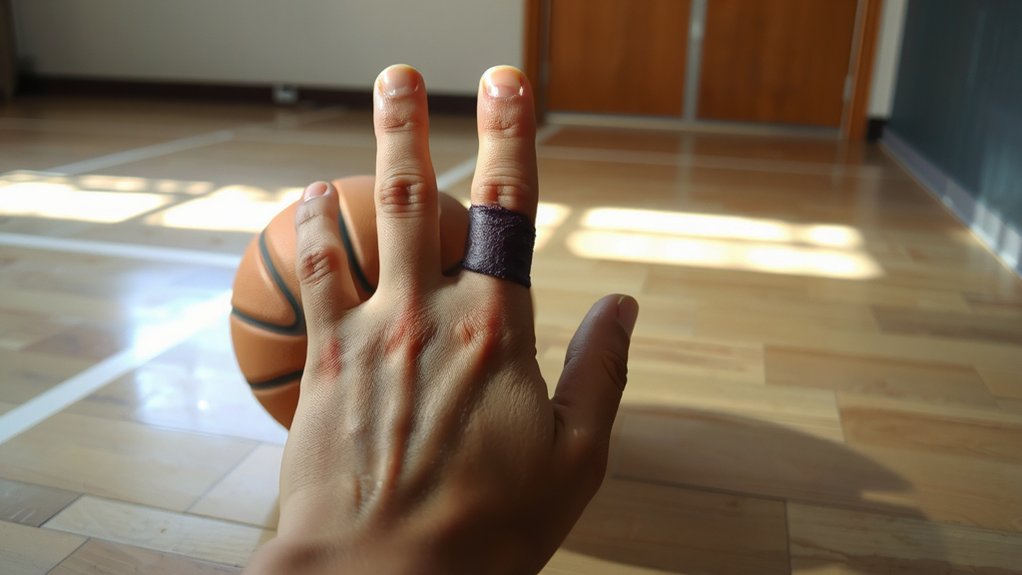
When you jam a fingertip on a fast pass, the ligament pays. You overextend the joint, you yank soft tissue past its limit, and physics laughs. That’s Ligament Anatomy meeting bad timing. Collateral bands try to leash bone to bone. You rip at that leash with torque, twist, and dumb momentum. Ball hits, ground grabs, jersey yanks. You keep going. The joint doesn’t. Classic Injury Mechanics. Hyperextension, valgus, varus—pick your poison. You load tiny fibers like they’re tow cables, then act shocked when they fray. Don’t sugarcoat it. You force a hinge to behave like a joystick. It revolts. Add speed, add chaos, add ego. Boom, overload. You could tape, brace, or land smarter. Or keep gambling. Your call. But consequences arrive, fast, always.
Key Symptoms You’ll Notice
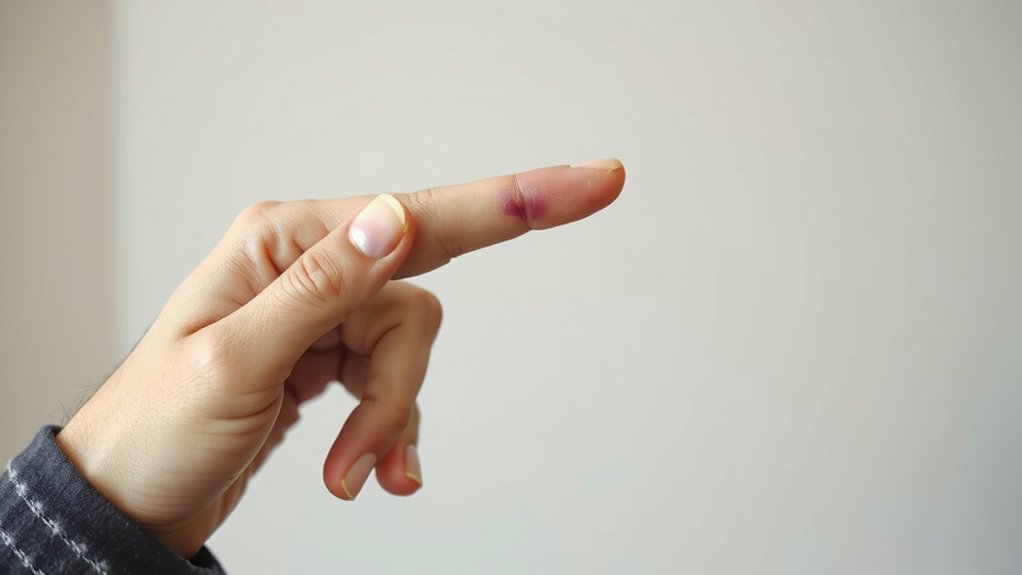
Though you want to shake it off, your finger votes no. Pain hits first, sharp and petty, like it’s scolding you. Swelling follows, fast, puffed like a bad secret. Movement fights back. Bend it and it barks. Grip a mug and it tattles. You feel heat, that angry furnace under skin. Then the lovely bonus: Skin discoloration, from pink to purple to oh‑great‑that’s‑new. Tender to touch? Absolutely. Press the joint and it fires. A Tingling sensation creeps in, electric, rude, not invited. Stiffness shows up at dawn, because mornings love drama. Weakness too, like your hand forgot the script. Pops or snaps when you move? Yeah, that soundtrack. And throbbing—relentless, drumbeat, pay attention. Your finger’s loud. Believe it. Ice it. Rest it. Stop pretending.
Sprain vs. Jammed, Fractured, or Dislocated Finger
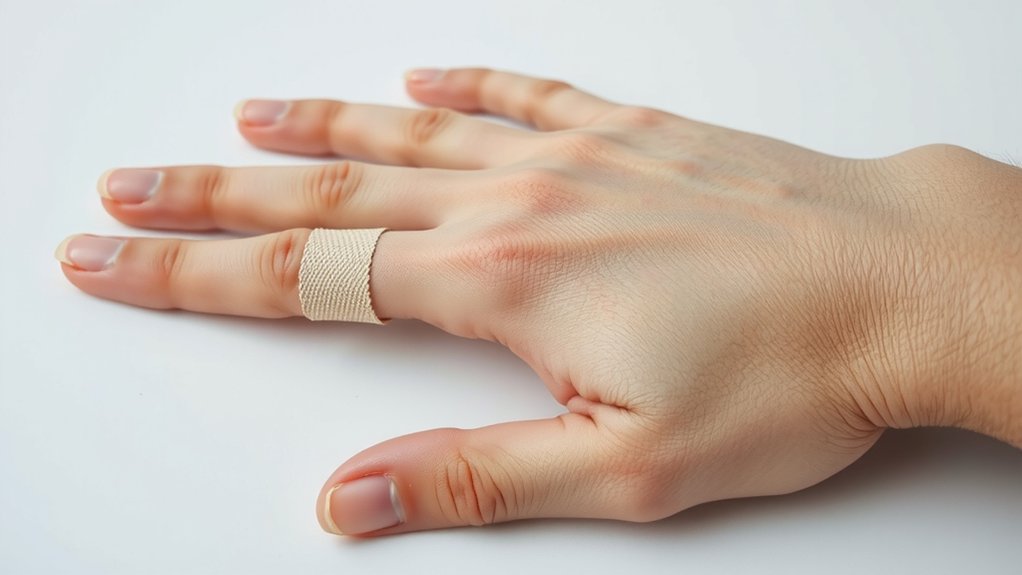
Sprain or something nastier—jam, fracture, dislocation—what are you actually dealing with? Sprain screams swelling and bruise yet you still move some; a jam feels stubbed and stiff; fracture or dislocation means crooked shape, sharp bone pain, brutal motion loss, maybe a nasty pop—yeah, that’s bad. If it’s bent wrong, stuck, numb, ballooning fast, or pain drills the bone, you seek care now; if it only aches and works a little, rest and ice today, but if it’s not better in 48 hours, stop pretending and get checked.
Key Symptom Differences
Before you ice it and hope, ask the hard question: sprain, jam, fracture, or full-on dislocation? Sprain screams with soft‑tissue ache, swelling, and wobble in the joint, but you still move it—carefully. A jam feels blunt and sore at the tip after a head‑on stop, stiff but aligned. Fracture? Sharp pinpoint pain, instant swelling, crooked contour, maybe a grind. Dislocation is louder—deformed, wrong direction, zero normal motion, snap back or nothing moves.
Age Variations matter. Kids hide pain yet swell fast. Older hands bruise big and stiffen like wet cardboard. Comorbidity Effects twist the picture—diabetes dulls feel, arthritis mimics ache, blood thinners paint everything purple.
Test it. Bend. Pinch. Compare sides. Pain that shifts equals sprain. Pain that shouts at one spot? Think bone.
When to Seek Care
You know the tells—now decide what you do next. Mild sprain? Swollen sore stiff but still straight and movable. Ice it splint it elevate it. Stop doom‑scrolling. If it’s jammed and pain sits at the joint yet you can bend some, rest today then reassess tomorrow. But hear this. Crooked finger? Pop then instant ballooning? Can’t straighten or sensation goes weird and tingly? That’s not cute. That’s possibly fractured or dislocated. Remove rings now. Go urgent care or ER. Visible deformity equals go. Nail bed bleeding under pressure like a drum? Go. Stuck joint? Go. Telemedicine evaluation works for mild cases and smart follow‑ups, not for mangled angles. Ask about insurance coverage before you panic. Don’t tough it out. Hands matter. Move. Now today.
When to Seek Medical Care

If you’ve got persistent pain or swelling that shrugs off ice and rest, stop playing hero and get checked. See a grotesque bend, a finger that won’t move, or grip that’s gone—yeah, that’s severe deformity or dysfunction, and it’s not cute. You want your hand back, not a souvenir of denial, so call a clinician today, not tomorrow.
Persistent Pain or Swelling
Usually the ache backs off in a few days. Yours hasn’t. It nags, swells, stabs when you twist a jar or type too fast. That’s not grit. That’s a signal. If pain lingers past a week, or the puffiness rebounds every evening, stop pretending. Ice and jokes won’t fix a ligament that’s still angry. Call a clinician. Ask for an exam, maybe imaging, and a plan. You want sleep back. You want your grip back. Act now, not next month.
| Feeling | What it whispers |
|---|---|
| Throb at rest | You’re not healing right |
| Swell by sunset | Something’s off, admit it |
| Sleep disruption | Pain owns your night |
| Emotional impact | Frustration spikes, patience tanks |
Delay breeds stiffness, weakness, and regret, while early care flips the script for you.
Severe Deformity or Dysfunction
When a finger points east while the rest face north, that’s not “a little sprain,” that’s a red flag screaming. You don’t massage that and hope. You don’t tape it and play hero. You stop. Because a crooked knuckle, a locked joint, or a finger that won’t move isn’t cute. It’s damage. Maybe a torn ligament. Maybe a dislocation. Maybe worse.
Can’t feel the fingertip? Pins and needles explode with every touch? Think nerve compression. Cold, pale, or bluish? That’s vascular compromise, and yes, blood flow matters. Delay invites dead tissue. Sounds fun, right?
Home Care and Immediate First Aid
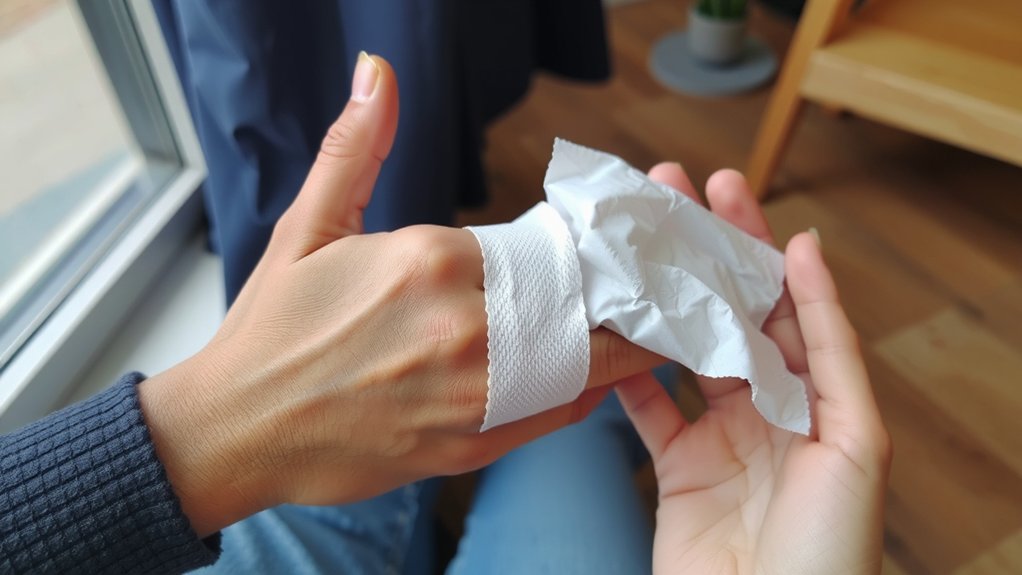
How fast do you act when a finger screams? Seconds matter. Drop the ball, the bag, the ego. Stop. Strip off rings before swelling traps them like handcuffs. Ice it hard—15 minutes, not a heroic hour. Elevate above your heart. Compression wrap snug, not numb. Can’t move it, or it looks wrong? Don’t argue. Get help.
Your supplies checklist is simple: small ice packs, elastic wrap, finger splint, tape, pain reliever, a towel barrier for skin. Keep it ready, not buried under junk mail.
Now control your world. Household adjustments, fast. Use the other hand. Swap heavy pans for paper plates. Voice-command everything. Door levers beat knobs. Delegate jars. Park the pride. Rest means rest. Repeat after me. No one-more reps. Not today. Seriously.
Diagnosis, Severity Grades, and Treatment Options
Though the pain screams, the diagnosis isn’t guesswork—it’s tests, touch, and proof. Your clinician grills the joint. Where’s the snap, the sag, the cheat? They run Clinical Tests—stress the ligament sideways, check end‑feel, hunt instability. X‑rays rule out sneaky fractures. Ultrasound or MRI if the story fights you.
Grade I: stretched, sore, but stable. Annoying. Grade II: partial tear, swelling like a bad rumor, some laxity. Trickier. Grade III: full tear, joint wobbles like jelly—stop pretending.
Treatment options? Keep it simple, then serious. Buddy tape or a rigid splint to lock motion you can’t control. Ice for rage, elevation for balloon fingers. Medication Options include acetaminophen or NSAIDs—use your gut, not bravado. Hand therapy restores control. Complete ruptures? Don’t argue—surgical repair. Now. Do it.
Recovery Timeline and Prevention Tips
You’ve got a label and a plan. Good. Now move. Ice, elevate, compress. Then work. Tiny bends daily. Ten reps. Twice. If it screams, back off. If it whispers, push. You want return milestones? Earn them. Tape it. Use heat before motion, ice after. Grip putty. Squeeze. Release. Repeat. No hero ball. Not yet.
Prevention next. Don’t be careless. Use preventive ergonomics at work and play. Neutral wrists. Smart keyboard angles. Catch with two hands. Warm up. Buddy tape early. Rest before dumb pain blows up.
| Phase | Return Milestone |
|---|---|
| Days 1–3 | Swelling down, pain less with rest |
| Days 4–7 | Gentle range, buddy tape without whining |
| Week 2 | Grip light objects, no ball rockets |
| Weeks 3–4 | Sport drills, tape stays on |
Heal smart. Finish strong.