
No, it’s not just the engine. Your powertrain warranty targets the parts that shove the car forward—engine, transmission, driveshafts, differentials, axles, the torque movers. On hybrids and EVs, think motors, reduction gears, and the battery—yes, with strings. But it dodges wear items, fluids, abuse, mods, and sloppy maintenance. Miss a service? Kiss coverage goodbye. Want to know how they deny claims in five seconds flat—and how you stop it?
Key Takeaways
- Covers components that produce/transfer torque: engine, transmission, transfer case, driveshafts, differentials, and axle shafts.
- Engine coverage generally includes block, heads, internal lubricated parts, and turbo units integral to the engine.
- Transmission/driveline coverage includes gearbox, torque converter or mechatronics, transfer case, CV joints, and axles; specifics vary by contract.
- Hybrid/EV coverage includes the drive unit; batteries are separate, commonly 8 years/100,000 miles, sometimes triggered by capacity loss thresholds.
- Exclusions and claim limits: wear items, fluids, neglect, racing or mods; strict maintenance records and approved fluids/parts are required.
What the Powertrain Includes: Engine, Transmission, and Beyond
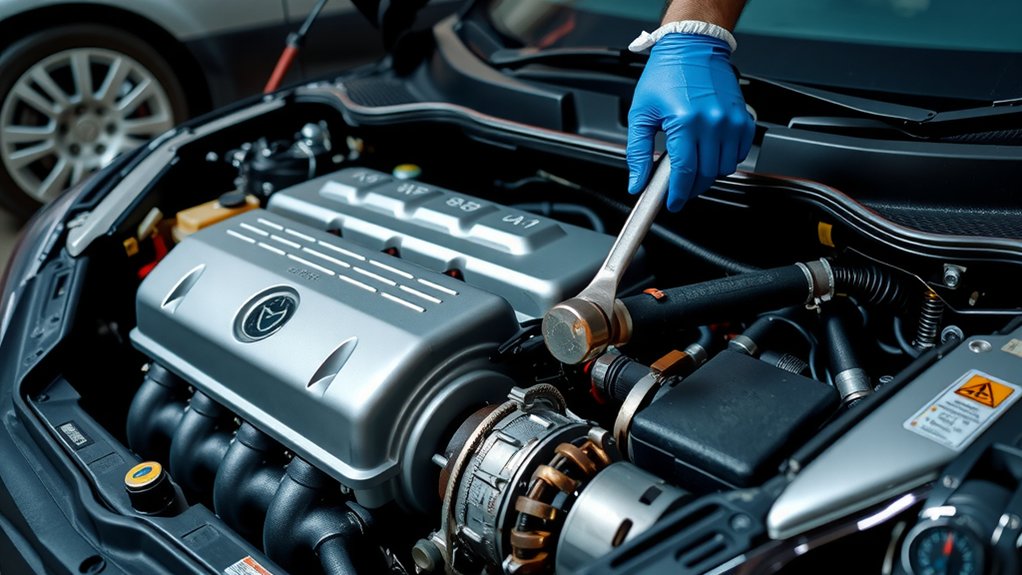
Where does the power go after you stomp the pedal? It blasts from the engine, through the transmission, down the driveshaft, into the differential, out the axles, and straight to the road. That’s the powertrain. Not your cup holder. Not your vanity lights. The muscle, not the makeup. You want history? Powertrain Origins trace back to brutal, simple linkages, then clutches, gears, final drives that refused to quit. Today you get turbo lungs, tight ratios, clever AWD, even e‑motors and single‑speed reducers shoving torque now. You want rules? Regulatory Standards shove limits on emissions, durability, even noise. Good. Pressure for performance makes better bones. Feel that shove in your spine? That’s parts doing work or dying trying. You demand motion. They deliver. Every day.
Components Typically Covered by Powertrain Warranties
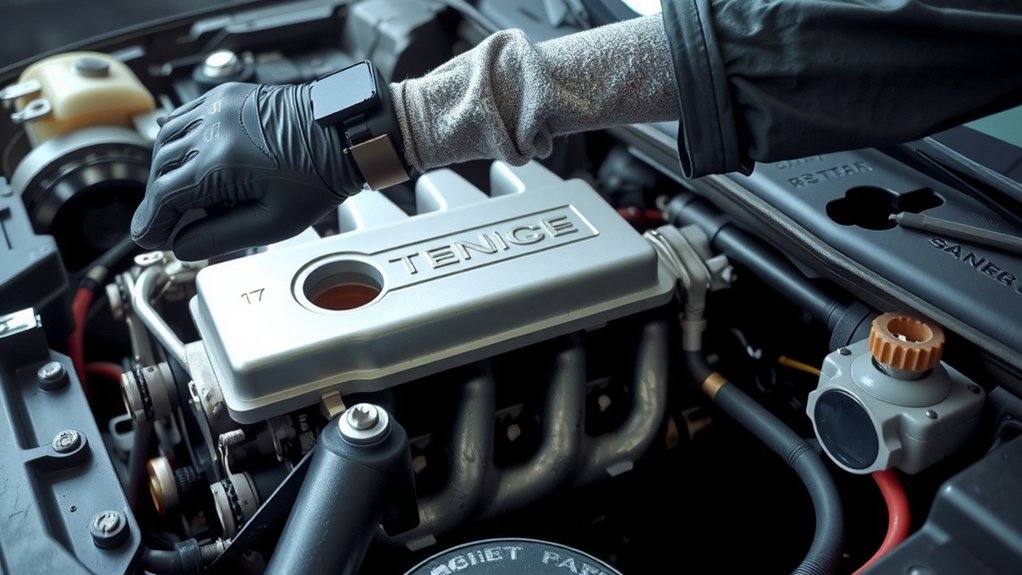
You want coverage that matters, so it starts with the engine and its guts—block, heads, pistons, crank—because when those fail, your wallet screams. Your transmission and drivetrain get the same hard guard, from the case and gears to the torque converter, driveshaft, axles, and differential—because motion costs money when it breaks. If a covered part makes power or moves it, you demand it’s protected—no excuses, no cute fine print, just fix it fast or explain why you didn’t.
Engine and Internals
Pistons hammer, crankshafts whip, and the warranty’s supposed to catch the wreckage when metal meets misery. You want coverage where the fire lives. Block. Heads. Valves. Oil pump. Water pump if it’s bolted inside. The crank and rods when bearings scream. The timing chain when it stretches like old gum. piston rings that lose seal and burn cash. camshaft wear that chews lobes and power. Lifters ticking like a bomb? Covered if it’s lube‑related, not your neglect. Sensors? Maybe, but don’t bet lunch. Turbos tied to the engine’s guts, not your foot. You keep maintenance receipts or you lose the argument. Use the right oil. Don’t skip intervals. Then demand repairs. It’s your engine. Make them own it. No excuses. Breaks happen. They pay.
Transmission and Drivetrain
While the engine throws heat, the real heartbreak starts downline—the transmission and drivetrain take the punch and your warranty better take the bill.
Gears grind, bearings scream, and who pays when second gear ghosts you? You do—unless coverage steps up. Your plan should cover the gearbox, torque converter, valve body, mechatronics, transfer case, driveshafts, CV joints, axles, and seals. Manual or automatic, it must back the clutch pack or clutch assembly, not just say sorry. Clutch technology evolves; the bill does too. Dual‑clutch? Wet or dry? Covered. You want it in writing. Differential types matter as well: open, limited‑slip, locking, electronic trickery. If it splits power, the warranty should swallow failures. No dancing around “wear items” exclusions. Fluid leaks? Solenoids fried? Control modules sulking?
Common Exclusions and Limitations You Should Know
Although the brochure shouts “we’ve got your back,” the exclusions crash the party fast. You think everything’s covered. Cute. Wear items? Nope—clutch discs, belts, hoses, spark plugs. Fluids too, unless a covered part breaks and dumps them. Heat a gasket by neglecting oil changes, and guess who pays. You do. Miss service intervals, void city. Abuse it, tow too much, tune it, race it—denied. Aftermarket mods? Prepare for the stare. Mileage Caps slam the door right when things start failing. Time limits tick like a bomb. Transferability Limits stop you from cashing out at resale, or they force a fee. Diagnostic charges? Sometimes on you. “Normal noise” becomes a magic phrase. Rust, corrosion, road salt? Out. And yes, preexisting issues vanish behind fine print.
Hybrid and EV Powertrain Coverage Considerations

You want the battery covered and the drivetrain too because when either quits your wallet screams. Spell it out now—capacity loss thresholds, motor and reduction gear coverage, and the fine print on high‑voltage parts like inverters, DC fast‑charge damage, and orange cables that mysteriously become “not our problem.” Ask the killer question—what’s protected and what’s excluded—because if they carve out half the high‑voltage system you’re not buying a warranty, you’re buying a joke.
Battery and Drivetrain Coverage
Because EVs live or die by their battery, powertrain coverage isn’t a footnote—it’s the headline.
You want protection where it hurts most. The pack. Modules. Thermal guts that keep it cool. Most plans back capacity, not just “it turns on.” Think 8 years, 100,000 miles, and a floor like 70% state‑of‑health. Drop below it, they pay. Simple. Your drive unit matters too. Motor, reduction gears, e‑axle bearings, differential, half‑shafts. If it moves the wheels, it’s in the fight. Hybrid? Same deal, plus the e‑motor bolted to the transmission. Demand proof of Battery Recycling options when they swap parts, and clear Remanufacturing Standards for rebuilt packs and drive units. No mush. You want test sheets, serials, install dates. You want road time, not excuses. Make them put it in writing, sign it, stamp it, and stand there smiling for you.
High-Voltage Components Exclusions
Fine, the pack and drive unit get ink on the contract; now meet the trapdoor—high‑voltage exclusions. The list bites. Cables, connectors, contactors, fuses, DC‑DC converters, onboard chargers, even coolant leaks around the battery chiller—often not covered. Software glitches? Nice try. Updates and reprogramming land on you. So do damage from mods, jump‑starts, or sloppy installs. They’ll also toss corrosion, road salt, and rodents into the nope bin.
Think labor. Diagnostic time skyrockets. You pay if the fault isn’t a covered part. And if you skipped Safety Protocols or used a shop without Technician Certifications, expect denial—fast. Warranty loves paperwork. You need proof. Service records. Proper parts. No backyard heroes.
Read the carve‑outs. Challenge them. Ask in writing. Make them commit. Hold them to it.
How Powertrain Warranty Terms Compare to Bumper-to-Bumper

Why does the powertrain get the long leash while the rest of your car gets a curfew? Because engines and transmissions are the troublemakers that cost real money when they blow. Makers bet you’ll baby the shiny stuff but keep the heart alive for years. So the coverage duration stretches absurdly long for powertrain, while bumper‑to‑bumper bows out early and quietly. Five years. Ten on some brands. Meanwhile the pretty trim? Gone fast.
You feel that difference the second a window switch dies. Not covered. But a seized differential? Still in the arena.
And transferability rules? Powertrain usually follows the car, flexing value at resale. Bumper‑to‑bumper often shrinks or disappears. That’s leverage. Use it. Shop terms. Force comparisons. Refuse weak promises. Now. Decide hard.
Reading the Fine Print: Conditions, Maintenance, and Claims
You liked the long leash on powertrain, but the collar is paperwork and rules. You want coverage? Then read. Conditions hit hard. Mileage caps. Time limits. Exclusions that bite. Modified exhaust? Goodbye. Overheating ignored? That’s on you. Maintenance isn’t cute, it’s law. Follow factory intervals. Keep receipts. Screenshot service reminders. Miss oil changes and the engine becomes your problem, not theirs. Claims aren’t vibes. They’re proof. You need dates, parts, labor lines—real claim documentation. No record, no repair. Simple. Dealers love ambiguity. Don’t feed them. Check who authorizes work, where you must go, and what “normal use” actually means. Towing, diagnostics, rental—covered or not? Don’t assume. The fine print smiles polite and then slams the door. You push back by knowing. Read it twice.
Tips to Maximize Coverage and Avoid Denied Repairs
While the powertrain warranty plays hero, it only fights for people who act like lawyers with wrenches. You want coverage? Prove everything. Keep Records or kiss approval goodbye. Oil changes on time. Receipts. Dates. Mileage. Photos when things squeal. You think they’ll just believe you? Please. Document, then double it. Read the schedule and stick to it. Use approved fluids and parts. No mods that scream race day.
When trouble starts, call fast. Log every call. Names. Times. Case numbers. Store Manufacturer Contacts in your phone and actually use them. Be polite but relentless. Ask for escalation. Get decisions in writing. Don’t authorize mystery teardown.
Show fault, not vibes. Tie symptoms to covered components. Transmission slips? Say so. Stay calm. Sharp. Unshakeable. Yes, stubborn.