
Funny coincidence—you’re here just as your left foot finally asks what that third pedal’s for. You want control? Take it. Manual means you pick the gear, not some lazy computer. Clutch in. Select truth. Feel the bite. Hear the revs snap. Mess it up and you stall. Good. Pain teaches. You’ll learn torque, timing, balance. Or you’ll grind and pay. Your call—because the next light won’t wait…
Key Takeaways
- A manual transmission lets the driver choose gears with a clutch pedal and shift lever, unlike automatics that shift themselves.
- Core parts include the clutch, flywheel, and a gearbox with synchronizers to match gear speeds.
- Operation: ease off throttle, press clutch, select gear, release clutch smoothly; rev‑matching helps downshifts.
- Advantages: direct control, engagement, precise torque leverage, and often better driver feedback on twisty or varied terrain.
- Trade‑offs: more effort in traffic, steeper learning curve; good habits prevent clutch, synchro, and bearing wear.
What “Driving Stick” Really Means
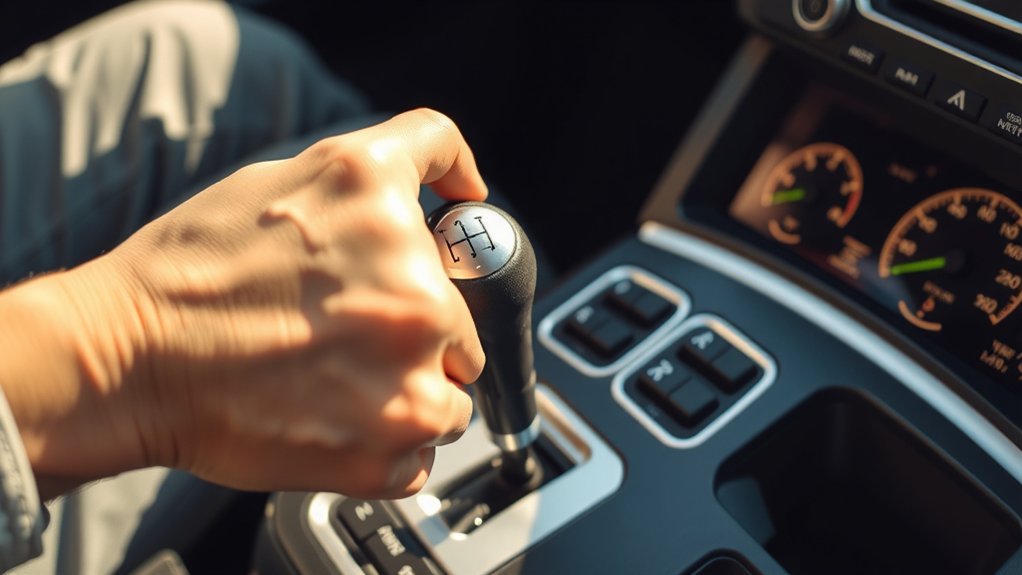
Why do people act like “driving stick” is some dusty rite from the Stone Age? You know better. You choose the gear, the moment, the risk. You feel the car answer. Not an app. Not a nanny. You. That’s the point. Control, consequence, feedback. It builds driver identity. It signals cultural symbolism that says, I’m awake, not scrolling. You read traffic like a book and then rewrite it. Hills test you. Corners dare you. Stalls mock you, then teach you. Speed isn’t the goal. Connection is. You make the machine honest, and it makes you honest back. People mumble about convenience. Cute. You want engagement, not autopilot boredom. Own the timing, own the outcome. Miss it, fix it. Nail it, grin. Do it again.
Core Components: Clutch, Flywheel, and Gearbox
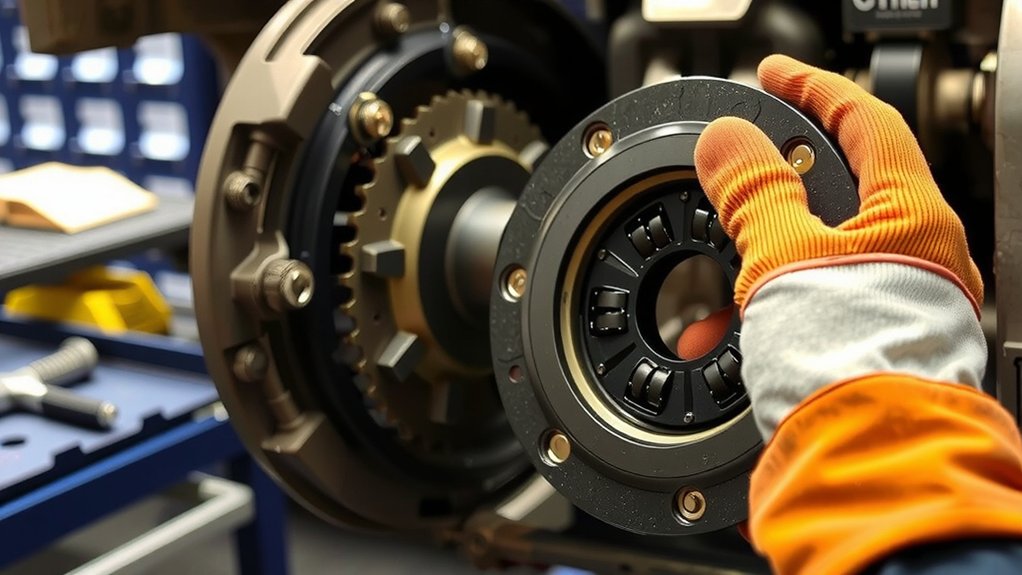
Although computers babysit automatics, your manual breathes through three parts: clutch, flywheel, gearbox.
Computers babysit automatics; a manual breathes through clutch, flywheel, and gearbox—your hands set the rhythm.
You squeeze the clutch, you silence engine torque, you pick the next move.
Miss it, and the car bucks like a stubborn mule.
The flywheel smooths pulses, stores momentum, and takes heat.
It’s heavy for a reason: stability and heat dissipation, not your comfort.
Material composition matters.
Steel bites hard, aluminum drops weight, fancy composites brag till they crack.
The gearbox isn’t magic; it’s a metal maze you command.
Synchros match speeds so teeth meet clean, no grinding concert.
Shift with purpose.
Lazy hands glaze friction surfaces and cook oil.
Precise hands keep faces happy and bearings alive.
Own it, or it owns you.
Your feet, your hands, zero excuses today.
How Gear Ratios Translate Engine Power to the Wheels
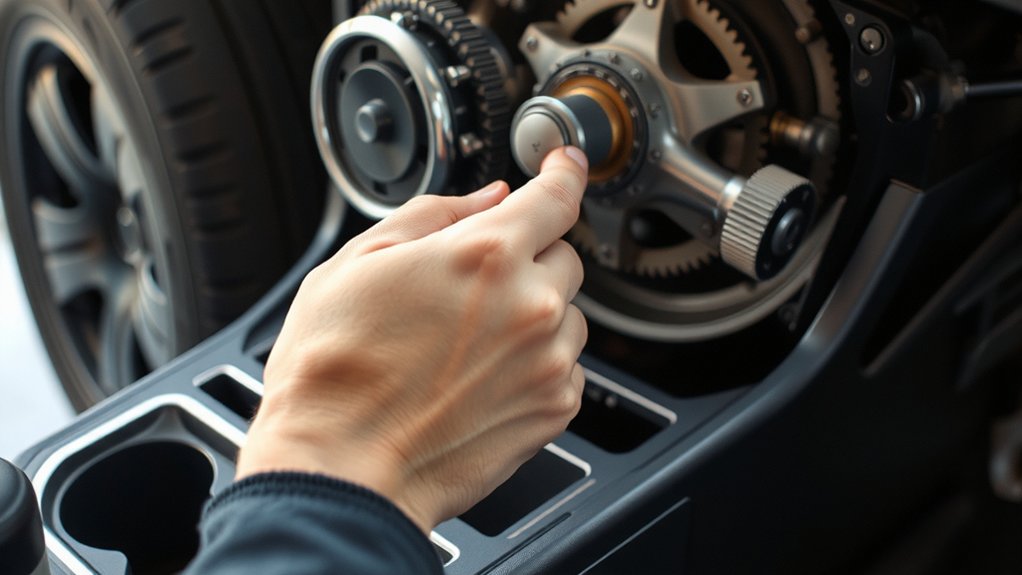
When you choose a gear, you choose leverage. Low gears hit like a hammer. That’s Torque Multiplication, not magic. The engine spins fast, the wheels turn slower, and you get a shove in the back. Climb, launch, tow—easy. High gears flip the deal. Less twist, more speed, no whining. You ride the Power Band, the sweet zone where the engine breathes fire and stops acting lazy. Fall below it and you bog. Creep above it and you waste fury. Ratios are deals you make with physics—short for muscle, tall for miles. Pick wrong and the car argues. Pick right and it surges. You don’t beg for power. You route it. You aim torque at asphalt, and you win. Simple choice, brutal results. Decide now.
The Shifting Process Step by Step
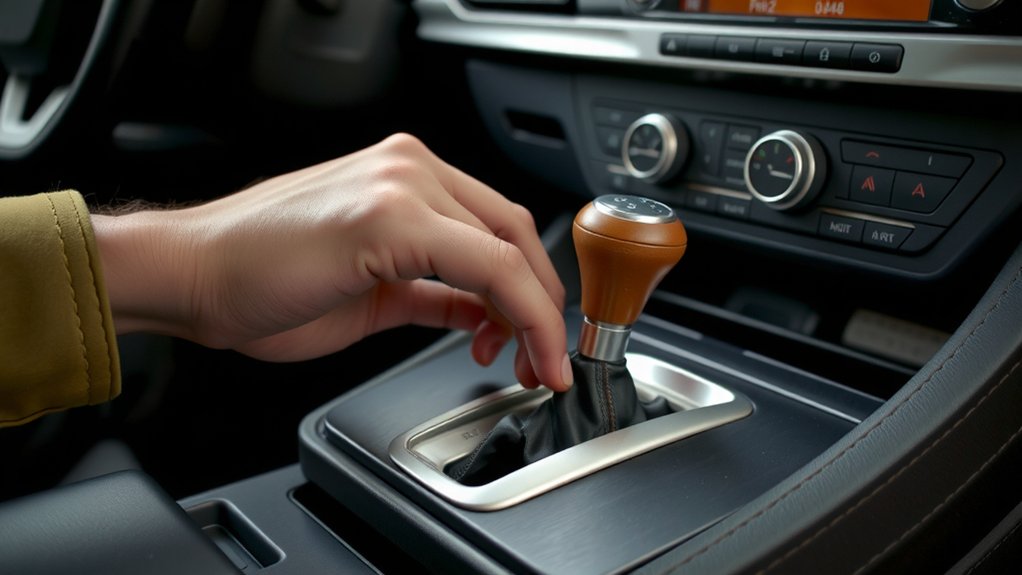
Because control beats luck, you shift with purpose. You read the road. You watch the tach. You pick the next gear before the car begs. Foot off throttle, clutch in, lever out of gear, pause, lever into gear, clutch out, throttle back on. Simple, right? Then do it cleaner. Your shift cadence matters. Too fast, you jolt. Too slow, you bog. Nail the neutral timing— that tiny breath when the lever floats free. Don’t stare. Feel it. Listen for the engine to settle, then commit. No lazy hands. Firm wrist, straight push, no grinding circus. Upshift to stretch, downshift to set up the corner, cruise to breathe. You’re the metronome. Miss a beat, the car drags you. Hit it, the car snaps awake. Now.
Clutch Control: Biting Point, Slip, and Engagement
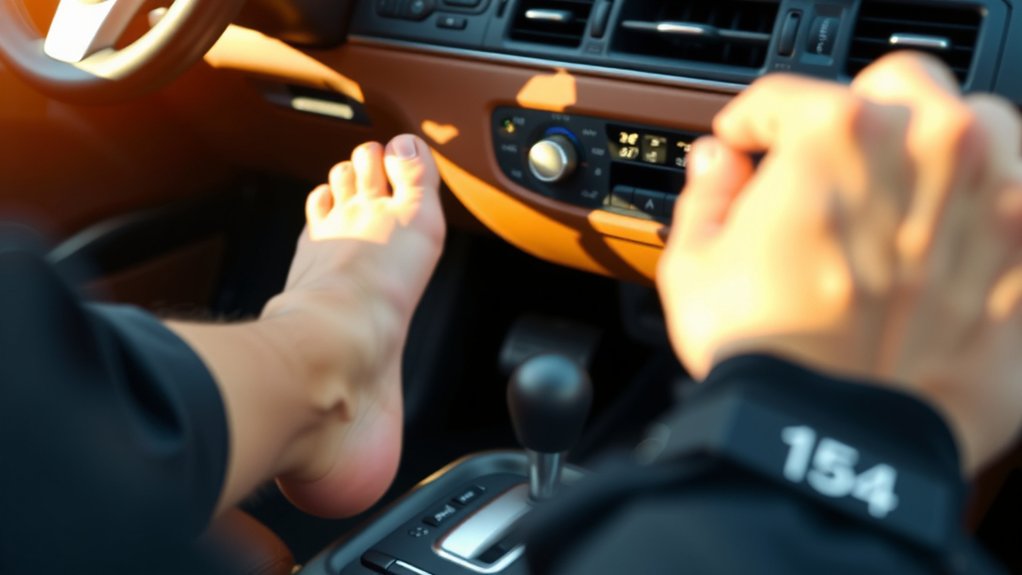
You nailed the shift cadence. Now prove you can command the clutch. Find the biting point, not by luck, but by feel. The car talks. You listen. Tiny rise in revs. Nose loads. Vibration whispers. That’s contact sensing, not mysticism. Hold there with ruthless pressure modulation. Too fast and you stall. Too soft and you roast the disc. Pick a lane. You want smooth engagement? Feed torque like a chef salts a steak—deliberate, measured, smug. Let it slip briefly, then commit. No half heroics. No lazy ankle. Heel steady, toe honest, brain awake. Roll forward, clean and calm, or don’t bother. Hear the chatter? You botched it. Smell clutch? You cooked it. Fix your feet. Own the pedal. Drive, don’t plead. Do it again.
Rev-Matching and Heel-Toe Downshifting
Blending brake and blip separates drivers from passengers. You rev-match because clunks are lazy and smooth is fast. Downshift, but make the engine meet the gear, not fight it. You press the clutch, snap a throttle blip, slide the shifter, release like you mean it. Heel‑toe sharpens it. Ball of your right foot holds firm pressure on the brake; you roll the edge to stab the throttle while the left foot works the clutch. The car stays balanced. The chassis trusts you. Tires keep grip. Your brain lights up. Cultural perception? It crowns this as real driving. Footwear choices matter, too. Thin soles talk. Bulky sneakers mumble. You want feedback, not fluff. Do it clean. Do it now. Own the corner. Feel the snap.
Common Mistakes and How to Avoid Them
When you butcher the basics, the car slaps back—hard. You dump the clutch. It bucks. You stare at the hood and forget traffic. Mirror neglect. Lane drifting. Ugly combo. Quit it. Set your seat, plant your heel, feel the bite point. Hold throttle steady, release smoothly, don’t panic-stab. Eyes up. Mirrors every 8–10 seconds. Scan. Breathe. Missed shift? Neutral, clutch, retry. Rolling backward on hills? Use the handbrake, not prayer.
| Mistake | How to Avoid |
|---|---|
| Riding the clutch | Foot off pedal once engaged |
| Gear hunting | Know speed-RPM ranges |
| Staring down | Look far, mirror sweep |
| Late downshift | Brake first, rev-match lightly |
Practice daily in an empty lot. Build rhythm. Hear the engine. Feel the chassis. Respect physics, or physics collects the bill with interest. Pay up.
Manual vs. Automatic: Pros, Cons, and Use Cases
You want control and engagement? Prove it—row your own gears and feel the car snap to attention, or admit you’d rather let a lazy automatic babysit you. Chasing fuel economy—be honest—manuals can win in steady runs, but many modern automatics squeeze extra miles with ruthless gearing. City gridlock loves an automatic, but twisty back roads, track days, and snow that needs engine braking scream manual—so choose and own it now.
Control and Engagement
Though an automatic promises convenience, a manual grabs the wheel of your attention. You choose the gear, not a bored algorithm. Clutch in. Shifter moves. Your call, every time. That’s control. You feel bite point, hear revs rise, time the shift. Real sensory engagement, not button-mashing. Miss it and you’ll stall. Good. Stakes wake you up. You hunt corners, brake late, downshift clean, engine braking singing. That’s driver immersion. You tune the car to the road and your mood. Calm cruise? Short shift. Traffic surge? Drop a gear and go. The car stops being a couch and starts being a partner. You lead. It follows. And when it clicks—foot, hand, engine, road—you smile. Be honest. You want that. Take it. Own the next mile.
Fuel Economy Differences
Control feels great, but gas costs money. You want honesty? Manuals used to win. Not now. Modern automatics stack eight, nine, ten gears, lock the converter, and sip. Brutal truth. If you shift late, you burn. If you lug, you burn again. You can beat a slushbox, sure, but only with discipline and a brain, not vibes.
Fuel economy hates wasted revs. Keep the engine low, steady, loaded. Short‑shift smart. Coast clean. And remember the villains you ignore: aerodynamic drag at speed, rolling resistance from underinflated tires, and your roof rack full of regret. Blame the transmission if you must. Physics laughs.
Ideal Driving Scenarios
When the road twists and time slows, the choice gets loud. You want control. Fine. Grab the stick. Carves corners. Picks gears. Owns the pace. Scenic drives? Manual wins. You surf torque. You brake with engine. You feel alive, not cushioned. Rural exploration? Dirt, ruts, sketchy climbs. You choose second, not some lazy guess. But city gridlock? Be honest. Your left calf will mutiny. Automatics crush stop‑and‑go, tow heavy, and chill on long slogs. Hybrids and traffic tech? Yeah, they play nice with autos. So choose by mission, not ego. Need finesse and fun? Manual. Need ease and speed? Automatic. Don’t argue. Drive and decide today. Now go.
| Scenario | Manual shines | Automatic excels |
|---|---|---|
| Twisties | Precision shifts | Smooth simplicity |
| City jam | Foot fatigue | Easy creep |
Learning Path: Drills for Smooth, Confident Shifts
Grinding less, owning more—that’s the plan, and you’re doing the reps starting now. Fix your seat positioning first; knees bent, wrists to the wheel, clutch to the floor without hip gymnastics. Good. Now breathe. Yeah, breathing exercises. Inhale, hold, shift, exhale. Calm kills jitters. Drill one: clutch in, find neutral, release, repeat. Ten times. Eyes closed if you dare. Drill two: engine off, gate sweep—trace every gear path until your hand moves like it’s reading Braille. Drill three: engine on, hold 2,000 rpm, clutch to bite, roll one car length, stop, reset, again. Miss the bite? Do it slower. Then faster. Rhythm before speed. Smooth before bold. Parking lot. Uphill. Downhill. You versus timing. Stalls happen. Panic doesn’t. Reset. Attack. Every rep builds control.
Ownership Tips: Maintenance, Wear, and Longevity
You nailed the drills. Now own the car, not the other way. Follow a Fluid Schedule like rent due. Gear oil fresh, clutch fluid clear, brakes not mush. Skip it and pay twice, maybe thrice. Feel the shifter? If it grinds, stop flexing and inspect. Adjust the clutch. Bleed it. Replace a worn disc before it eats the flywheel.
Listen for whine. Vibes mean mounts. Slop means bushings. Cheap parts lie. Torque matters.
Cold mornings? Shift gently till warm. Don’t launch every light. Hold the car with the brake, not the clutch. Idle at red? Neutral, foot off, save the throw‑out bearing.
Rust Prevention, yeah it’s boring. Wash the underbody. Coat hardware. Grease linkages. Park dry. Drive it weekly. Or watch it die slowly.