
Electronic stability control cuts fatal single‑vehicle crashes by over 50%—so when your VSA light pops, you don’t shrug, you act. Flashing means it’s saving your bacon. Solid means it’s on strike. Tire low? Sensor sulking? Battery weak? You’re guessing, and guessing costs grip. Turn the wheel hard on wet pavement and find out the expensive way—or learn the quick checks that keep you in control before the next corner sneaks up.
Key Takeaways
- VSA is an electronic stability/traction system; it helps maintain control by braking individual wheels and reducing engine power.
- Flashing VSA light means the system is actively intervening for traction/stability; drive smoothly and ease off the throttle.
- Solid VSA light means the system is off or faulted; stability assist is unavailable until resolved.
- Common causes: dirty/faulty wheel-speed or steering-angle sensors, low battery/grounds/fuses, mismatched or underinflated tires, worn bearings.
- What to do: slow down, avoid aggressive maneuvers, check tire pressures/fluids/sensors, restart/reset; scan for codes and seek service if light persists or with ABS/brake lights.
What Is Vehicle Stability Assist (VSA)?
The Vehicle Stability Assist system is your invisible bouncer, and it doesn’t ask nicely. It watches your swagger, spots trouble, and keeps the car from doing dumb tricks you’ll regret. Not magic. A safety net. You push too hard, it pushes back. You hate that? Tough. VSA exists to keep you upright, your fenders unbent, your pride mostly intact. It’s not optional theater either; Legal requirements and crash data put it in the lineup. Still, User misconceptions spread like oil. You think VSA makes you invincible. It doesn’t. You think it kills fun. Wrong target. Reckless is still reckless. Snow, rain, panic—VSA buys you time, not talent. Turn it off to “feel the road,” and you’ll feel the ditch. Your call. Today. Right now.
How VSA Works to Keep You in Control
Your VSA watches your wheels like a hall monitor on caffeine, sensors tracking wheel speed every split second. You push too hard, it catches understeer or oversteer before you even admit you messed up. Then it slams smart brakes and tweaks engine torque on the right wheel at the right time to yank you back in control—yeah, you’re welcome.
Sensors Monitor Wheel Speed
Watching every wheel like a hawk, VSA lives on data—speed pulses from tiny sensors at each hub. They stare at toothed rings and count teeth. Every gap equals speed. Simple. Brutal. If one sensor blinks, you feel it. The dash tattles. You’re not special. Dirt, rust, or a lazy plug can choke the signal. So can magnetic interference from cheap wheel bearings or a dangling speaker magnet you forgot in the trunk. Signal latency? Yep, that too. A slow line lies. VSA hates lies. It flags the light and stops trusting that wheel. You want precision. Clean the tone rings. Fix frayed wires. Match tire sizes. Don’t baby it. Demand accuracy. Because bad data is worse than no data. Prove it right. Right now.
Detects Understeer and Oversteer
When you aim left and the car plows straight, VSA calls foul. It spots understeer and oversteer by comparing your steering angle to how the car actually rotates. You point. It checks yaw, lateral grip, wheel clues. If the nose washes wide, it knows. If the tail swings, it knows louder. You don’t argue with physics. VSA watches faster than you blink, using visual cues from the dash to shout, hey, pay attention. It’s ruthless. It’s sober when you’re not. Driver training helps, but VSA doesn’t wait for your homework. You tell it where to go. It tests the truth. Tiny sensors snitch. The system calls the lie. Feel the drift start? VSA already marked the moment and flagged the mismatch. You get warned.
Adjusts Braking and Torque
Though it sounds like magic, VSA just bullies physics with math. Feel the shove? That’s VSA pinching brakes on one wheel, then another, slapping the car straight. You turn in too hot. It steals torque from the inside tire, feeds the outside, and drags you back on line. You stomp it. It cuts engine power, fast, no apology. You want drama. VSA wants grip. It wins. Wet onramp, gravel shoulder, dumb speed, same story. Micro-brakes fire. Torque shuffles. The nose obeys. You call it annoying. Fine. But you stay out of the ditch. Fuel economy? Bonus, because wasted spin burns gas. Performance tuning? Laugh later. First, survive the corner. Then switch it off and prove you’re faster. Go on. Or crash. Your call. Today.
VSA Light: Flashing vs. Solid Indicators
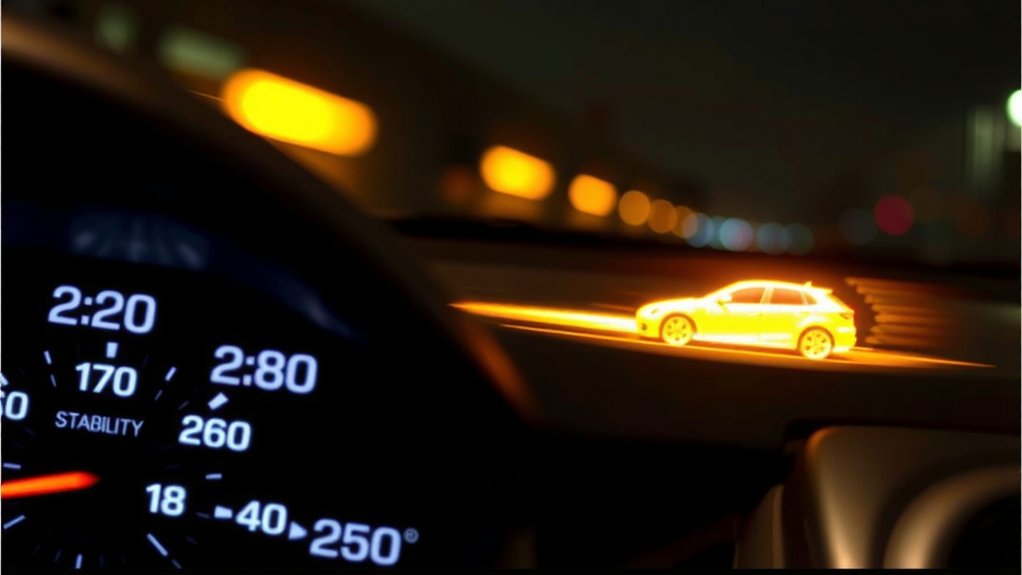
If you see the VSA light, you need answers fast. Flashing means the system is working, right now, cutting wheelspin and steering you straight. It’s your co‑pilot barking orders. Solid means the system isn’t watching your back—either switched off or unavailable. Big difference. Flashing equals active control. Solid equals no assist. You feel that? Stakes. Honda’s indicator design makes it obvious—pulses for action, steady for silence—because you don’t have time to decode hieroglyphs at 60 mph. That clarity didn’t fall from the sky; it came from historical development, track data, and drivers who hate surprises. So pay attention. Road wet? Corner tight? Light flashing? Good. Light stays on? You’re on your own. Don’t pretend otherwise. Adjust, now. Drive smart, feel grip, respect limits today.
Common Causes of a VSA Warning
While you want to blame gremlins, the usual culprits are boring and fixable. Dirty wheel‑speed sensors lie. Mud, rust, or a snapped wire fools VSA and it panics. A lazy steering‑angle sensor? It sends junk data and the system throws shade. Low battery? Voltage dips make modules twitchy. So does faulty wiring, cracked insulation, and corroded grounds. Add electrical interference from cheap LED kits or a sketchy stereo, and the control unit loses the plot. Mismatched tires trip it too. Wrong sizes. Low pressure. Worn tread. Pick your poison. A flaky brake‑light switch confuses ABS, then VSA piles on. Blown fuses, loose connectors, bad wheel bearings, sloppy alignment—same circus. You wanted drama. You got maintenance. Start with a scan. Then clean. Then calibrate properly.
Is It Safe to Keep Driving With the VSA Light On?
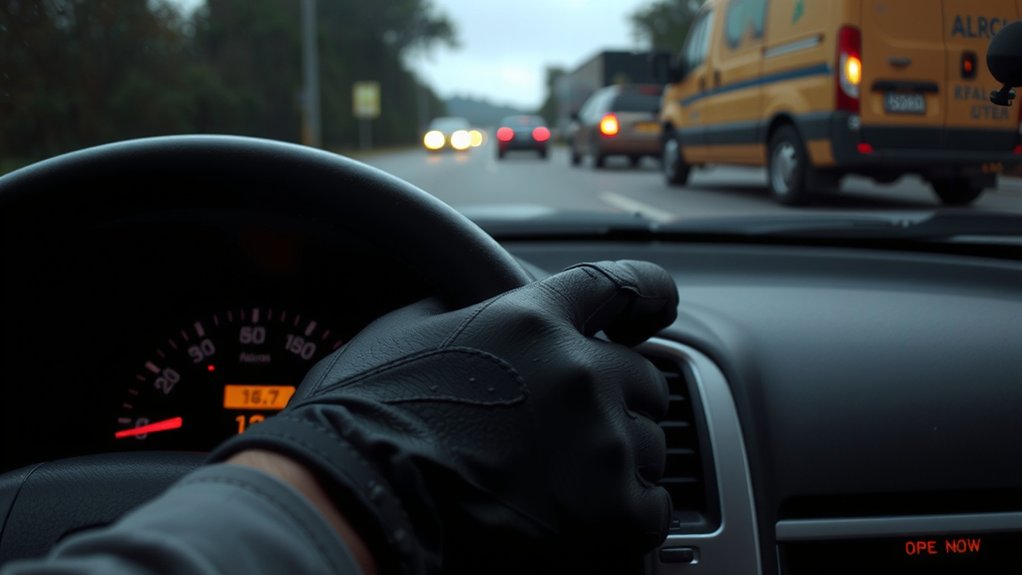
VSA light on and you’re still flooring it—bold move, because you just lost a safety net and slick roads will clown you fast. Pull over now if the light flashes with power loss, the ABS light joins the party, the steering feels weird, or the weather turns ugly—don’t argue, just stop. Otherwise limp it: slow down, leave a big gap, steer and brake gently, avoid hard launches, restart once, check tire pressure—act smart or pay later.
Immediate Safety Concerns
Because that little VSA icon isn’t there for decoration, you need to decide fast—keep rolling or pull over. Your car just admitted it’s not a balance beam champion. Traction control could be sleeping. Stability help might bail mid‑corner. Wet paint lines turn sneaky. Gravel laughs. You feel twitchy steering and longer stops. Don’t panic. Do basics. Slow the drama. Ease inputs. No hero launches. No tail‑happy exits. Space out. Double the buffer. Test brakes lightly in a straight line. Watch for Visibility impairment, glare, fog, anything that steals grip by stealing judgment. Check Seatbelt integrity because crash math hurts. Tires matter. Pressure matters more. So does weight shift. Keep eyes up. Hands steady. Brain louder than ego. Drive like consequences bite. Hard. Every time.
When to Pull Over
So when do you bail? If the VSA light pops on and stays steady, you don’t panic. You aim for a safe exit, not hero mode. If it flashes nonstop, the car’s fighting for grip, and you’re the villain. Pull over. Now. Add brake or ABS lights? Weird smells? Clunks? Steering that feels like jelly? That’s a hard stop, not a maybe.
Weather severity matters. Dry and calm buys you a short leash. Rain, snow, ice, high winds? Zero grace. Get off the road.
Location selection is not optional. Bright shoulder. Wide lot. Service station. Not a blind curve, not a dark median, not “just one more mile.”
You can keep driving only to reach safety. Past that, you’re gambling. Badly. Don’t do it.
Short-Term Driving Tips
Usually, you get a tiny grace period—just enough to reach a safe spot, not to finish errands. So move. Kill the music. Feel the car. If the VSA light stays on, you’ve lost your electronic babysitter. You’re driving on raw grip now. Respect it. Slow down. Double your following distance. No hero moves.
Clean Lane positioning. Keep center. Stop late apex fantasies. If the road crowns or ruts, resist drift. Straighten the wheel before braking. Gentle throttle, then gentler.
Weather adjustments? Absolutely. Rain means glass. Snow means betrayal. Wind shoves. You counter with calm hands and less speed. If the light flashes with every bump, back off. If it’s solid, plan exits. Skip highways. Avoid hills. Park soon. Don’t argue. Rubber and physics win.
Quick Checks You Can Do at Home
How many free fixes are you ignoring? Pop the hood and look. Brake fluid below the MIN line? Top it off with the right spec and stop pretending the VSA light is random. Check tire pressure cold. All four match the door sticker, not your guess. Uneven tread or a donut spare screams trouble. Clean wheel-speed sensors: peek behind each hub, brush off packed dirt and rust. Battery weak? Voltage sag throws tantrums. Tighten terminals, no green fuzz allowed.
Now the oddballs you still skip. Headlight alignment affects what you see, and what you correct—aim them straight. Washer fluid matters in grime and glare, because if you can’t see, you can’t steer. Take a slow test drive. Listen. Feel. Don’t ignore wobble or shake.
How to Turn VSA On or Off and When to Reset
Why wait for the dash to nag when you can boss the VSA yourself? Hit the VSA button. Light on? System off. Light off? System on. Simple. Need traction for deep snow or getting unstuck? Kill it briefly, dig out, then switch it back on. Don’t drive around like a hero. You’re not. Reset time? Try a clean restart: park, set brake, key off, wait ten seconds, key on, start, roll straight a block. New tires, low battery, or chains often confuse it. Clear the drama. Still twitchy? Recheck tire sizes and pressure, then toggle again. Read your owner’s manual because button location and behavior vary, and some dealer procedures change features by model and year. Control the car. Not vice versa. Do it.
Diagnostic Steps and When to See a Professional
You want answers—so grab an OBD-II scanner, check the gas cap, brake fluid level, fuses, and those stubborn wheel‑speed sensor plugs, then test in a safe lot like you mean it. If the VSA light keeps coming back, flashes under normal driving, or tags along with ABS and brake lights, stop playing hero and book a real tech. No scanner, weird noises, shaky steering, or any hint of brake fade—you’re out of your league, and waiting isn’t bold, it’s reckless.
DIY Diagnostic Checks
Drop the drama and start with basics. Key on. Watch the VSA light. Does it flash in turns or park there smug? Track patterns. Tires first—pressure cold, tread even. Brakes next—firm pedal, no noise. Battery—clean posts, tight ground. Scan with a cheap OBD2 reader. Note codes. Clear. Drive. Return? Log it.
Own the process. Tool maintenance counts. Inspection logs keep you honest.
Don’t guess. Test. Write like you mean it, every single time today.
| Check | Why it screams |
|---|---|
| Tire pressure | Mismatch confuses VSA |
| Wheel sensor dirt | Mud blinds data |
| Low brake fluid | Air wrecks balance |
| Weak battery | Voltage lies |
If it behaves, keep watching.
When to Seek Service
If the VSA light comes back after your basic checks and a short drive, quit pretending it’ll fix itself and raise your hand. Book a scan. Not tomorrow. Now. If the light flashes under hard turns or braking, you’ve got a stability problem, not a cute dashboard selfie. Hear grinding or feel pulsing when it shouldn’t? Stop guessing. If ABS, traction, or steering lights join the party, you’re done—seek a pro. Ask for a full code read, live data, and a road test. Bring service records. Push for root cause, not parts darts. Check warranty coverage before paying. Dealer or specialist? Choose whoever shows data, not swagger. Decline “reset and pray.” Demand the printout. Sign only when the plan makes sense. To drive safe.
Typical Repair Costs and Time Estimates
Brace for impact: most VSA light fixes aren’t wallet nukes, but a few will sting. You want numbers, not fluff. Diagnostics first: $120–$180, one hour. Wheel speed sensor? $90–$220 parts, 0.7–1.2 hours labor. Steering angle sensor? $150–$300 parts, one hour setup and calibration. Yaw or G‑sensor? $200–$450, 1–1.5 hours. Brake light switch laughably cheap: $15–$40, twenty minutes. Wiring faults? Ugly. $150–$600 depending on hunt time.
Now the heavy hitter. ABS/VSA modulator pump. $650–$1,400 parts, 2–4 hours. Used unit drops price but gambles reliability.
Here’s the kicker. Labor Rates swing hard by region—$95 in small towns, $220 in metro shops—so totals move. Parts Sourcing matters too: OEM costs more, aftermarket saves, both need proper calibration. Decide fast. Don’t like it? Then ignore the light, whatever.
Preventive Tips to Avoid Future VSA Warnings
Why wait for the VSA light to roast your dashboard? You don’t. You get ahead of it. Check tire pressure weekly—cold mornings lie, sensors don’t. Rotate tires. Replace bald rubber before it skates. Clean wheel‑speed sensors; brake dust is sabotage. Keep Battery Health high or the system freaks out. Test voltage, tighten grounds, ditch crusty terminals. Hunt down Software Updates. Install them. No excuses. Fresh code fixes flaky stability logic. Brake pads matter—thin pads trip weird signals, so inspect them. Same with alignment. If the car crabwalks, VSA panics. Drive smart. Don’t mash throttle then yank the wheel like a video game. Rain? Ease up. Snow? Ditch hero mode. And when a warning blips, scan it today, not someday. Your future self says thanks.