
Like a pocket knife on wheels, you want a compact that cuts clutter, not corners. You think compact means tiny? Wrong. It means smart, cheap to run, easy to park, and sized by the EPA, not your uncle’s opinion. Four or five seats. Trunk for groceries, not kayaks. City tough. Highway calm. Want the numbers, the traps, the models that deliver—and the ones to dodge? Good. Because your next choice rewrites your commute.
Key Takeaways
- A compact car is an EPA size class defined by interior volume (passenger plus cargo) measured with seats up.
- Sedans use trunk volume; hatchbacks and wagons use open cargo bay volume for the classification.
- Typical exterior length runs about 165–185 inches, with wheelbases around 103–107 inches.
- Usually seats five, prioritizing urban maneuverability, tight turning, light weight, and practical everyday cargo.
- It slots between subcompact (smaller) and midsize (larger), balancing space, efficiency, and parking footprint.
What Qualifies as a Compact Car
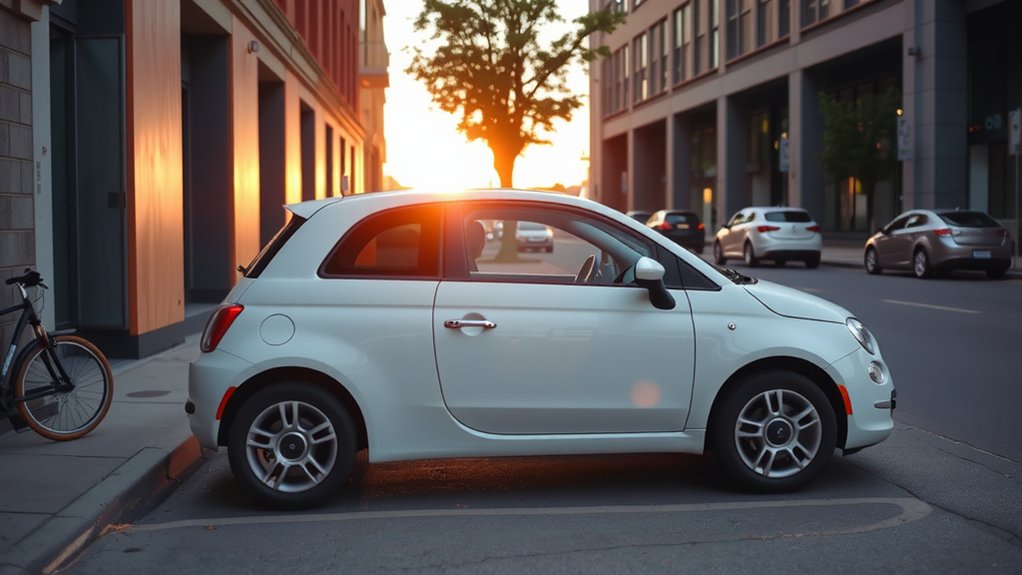
Lines matter. You call a car compact when its body shrinks the nonsense and keeps the essentials. Short overall length. Tight turning. Narrow stance that slips through traffic like a rumor. Four doors often, sometimes two, seating for four or five without the couch. A trunk that fits groceries not a grand piano. Light weight. Punchy efficiency. You park it where SUVs panic. You pay less. You smile more. And yes, cultural perception twists the label—Tokyo nods at tiny, Texas sneers—so brands play games. Watch the marketing strategies: “urban smart,” “city-tuned,” “sport hatch.” Same playbook, different decals. If it moves easy, sips fuel, fits streets, and doesn’t eat your paycheck, it qualifies. Don’t overthink it. Drive it, then decide. Right now. Not tomorrow. Seriously.
EPA Size Classification Explained
Fun’s cute, but the EPA doesn’t care about your vibe; it measures space with cold math. You get sorted by interior volume, period. Passenger room plus cargo room, counted in cubic feet, becomes your fate. Sedans use trunk volume. Hatchbacks and wagons use the big open bay. Fold seats? Nice try—still measured with seats up. Sunroofs, thick headliners, even chunky door cards can nudge the number. That’s why you see Classification anomalies. A tiny-looking box sneaks up. A swoopy four-door slides down. The Regulatory history is dry, sure, but it explains the obsession: consistent labels, repeatable tests, fewer marketing games. You want control? Measure carefully. Don’t trust badges. Read the spec sheet. Interior volume rules. Everything else is noise. Numbers win. Feelings sit down.
Compact vs. Subcompact vs. Midsize
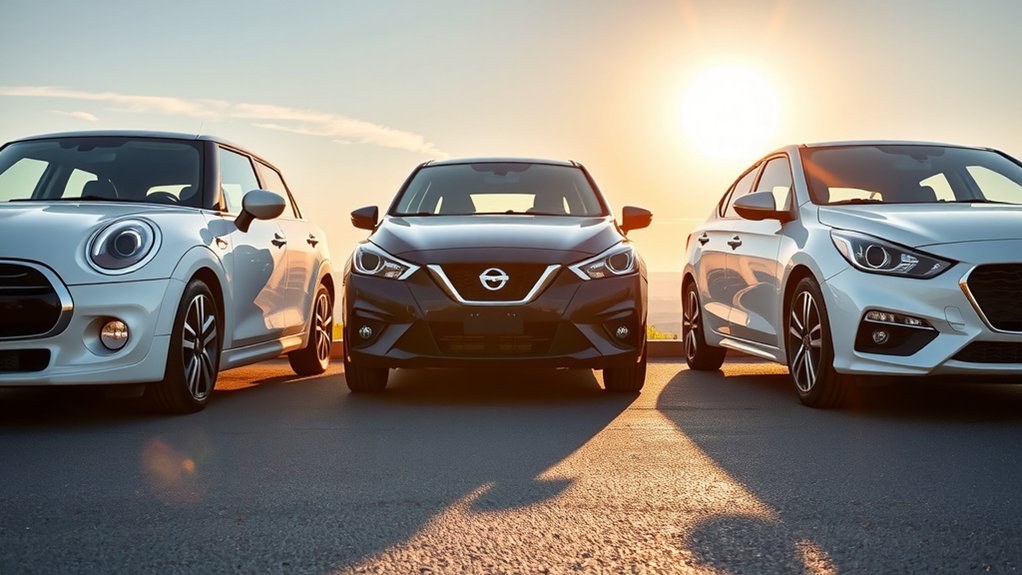
You think size doesn’t matter—until you cram knees into the dashboard and call it “compact.” Here’s the brutal cut: subcompact shrinks the footprint and your legroom; compact adds inches so two adults don’t fight; midsize goes wider and longer so seats breathe and trunks swallow strollers. Pick your poison—tight and cheap, balanced and usable, or big and bossy—and own the seating and cargo trade‑offs now, not after your groceries ride shotgun.
Size and Dimensions
Tape measure snaps the door sill and the truth stings. You want numbers, not whispers. Subcompact runs shortest, barely 159 to 166 inches. Compact grows to around 175, give or take. Midsize stretches past 186 and keeps going. Width follows suit, skinny to stout. Height stays modest, but stance matters. Shorter nose. Tighter overhangs. Quicker darts through gaps. That’s Urban maneuverability, not a fairy tale. Your Parking footprint shrinks or swells with each class, and the street judges you fast. Need curb agility? Go smaller. Want calmer highway manners? Go longer. Wheelbase tells steering feel, snap versus sweep, and you feel it immediately. Don’t argue. Measure. Then decide. City today. Suburb tomorrow. Choose the size, own the consequences. No excuses. Move with intent now.
Seating and Cargo
How much room do you actually need? Be honest. A subcompact seats four if everyone breathes shallow and leaves their backpacks at home. It’s tight. Cute, but tight. A compact gives you five seats that actually work, plus a trunk you can trust. Groceries. Strollers. Weekend gear. No drama. Midsize goes bigger because of course it does—wider cushions, longer legroom, a trunk like a spare bedroom. But you pay in price and parking stress.
You want flexibility, not furniture. Look for Modular Seating that flips, slides, and vanishes. Drop the rear bench and swallow a bike whole. Chase Hidden Compartments for cords, muddy shoes, and secret snacks. Pack smarter, not heavier. Need car seats? Test them. Don’t guess. Sit. Fold. Load. Decide. Right now.
Typical Dimensions and Interior Volume
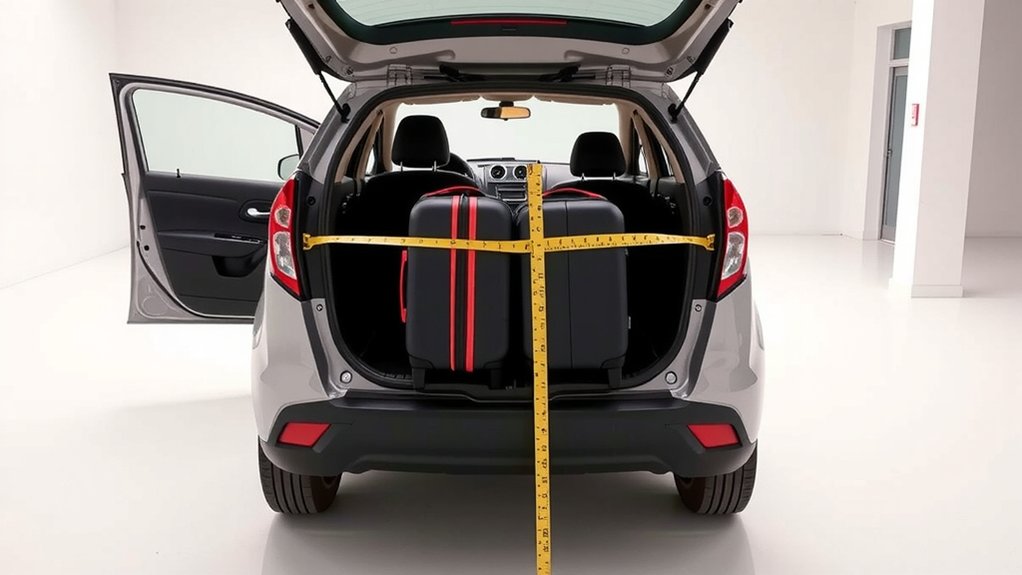
On the outside, a compact keeps it tight: roughly 165 to 185 inches long and about 70 inches wide, give or take spoilers and ego. Short, yes, but not small inside if the Wheelbase Effects play in your favor. Stretch the wheelbase a hair and your knees stop complaining. Headroom Measurements matter too. A sloped roof steals inches. Boxier wins comfort. Cargo doesn’t need drama; the cabin does. Expect about 100 to 110 cubic feet of total interior volume—enough for friends, grudges, and groceries. Check the numbers. Don’t guess.
| Metric | Typical Range |
|---|---|
| Length | 165–185 in |
| Width | ~70 in |
| Wheelbase | 103–107 in |
| Interior Volume | 100–110 cu ft |
Measure twice. Drive once. If it cramps, reject it. Space is freedom, and you’re not surrendering today. Stand tall.
Common Body Styles in the Compact Segment
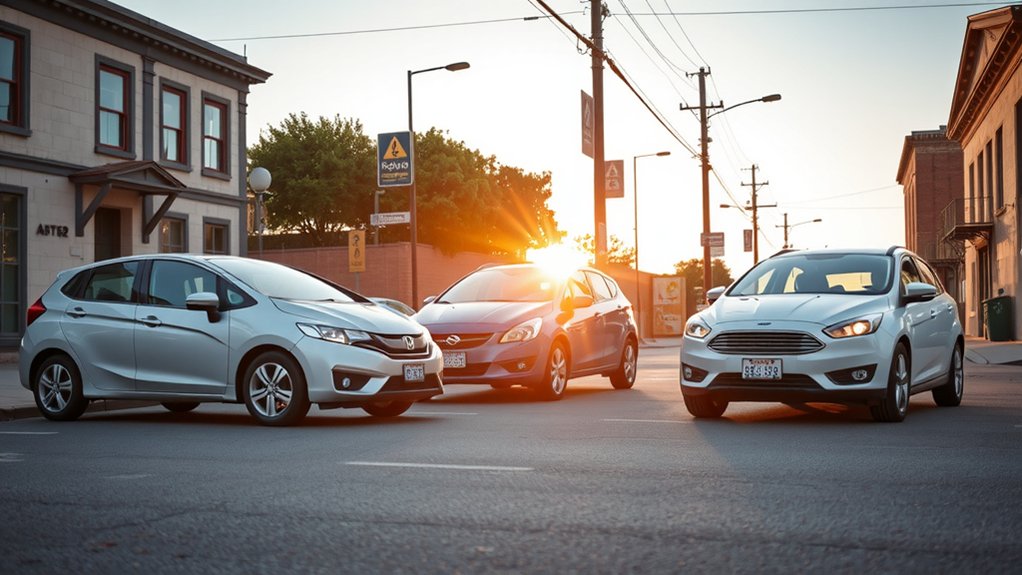
Doors, that’s the game. You pick your flavor. Four-door sedan if you like lines drawn straight and simple. Five-door hatch when you want the stubby tail and the big mouth. Three-door? Rebel move, fewer handles, same attitude. Wagons linger, long roofs for people who actually live. Coupes still pop up, low and smug, though the herd thins. Liftbacks split the difference, secret hatch under a sleek suit.
Watch the roofline evolution. Boxy nineties, then slippery arcs, then fake-fastback drama. Designers chase wind and ego. You notice.
Regional variants keep you honest. Americans cling to sedans. Europeans punt hatches all day. Japan loves tidy liftbacks. Latin markets keep wagons breathing. Same footprint, different costume. You choose the doors. They define you. Own it, loudly today.
Advantages and Trade-Offs
Even if you won’t admit it, you want the win‑win, and a compact shoves a lot of victory into a small box. You want easy parking. Tight streets. Quick gaps. Done. Lower price? Usually. Lower insurance? Often. You keep cash, not excuses. The Lifestyle Fit hits hard: dorm lot, city curb, crowded driveway. It slides in. You smile. Aesthetic Appeal matters too. Clean lines, bold colors, playful trims—small, sharp, unapologetic. Now the rub. Less rear legroom. Trunk plays hard to get. Tall friends complain. Road noise can poke. Big‑car ride? Nope. Crosswinds shove. You adjust. You win anyway. You buy what you’ll actually use. Not a rolling living room. A tool. A toy. Both, if you drive it right. Prove it every rush hour.
Fuel Economy and Powertrain Options
You want numbers—fine: treat 30–40 mpg as the compact gas‑mileage benchmark, and if it’s worse, walk. You chase savings—then own it: hybrids sip, plug‑ins crush short commutes on electrons, but forget to charge and you’re just hauling a dead battery. Crave punch but hate paying—no—choose: tiny turbos pop while big fours gulp; you take the hit—wallet or thrill—because physics won’t blink and the pump will.
Gas Mileage Benchmarks
Usually, a compact should crush 30 mpg city and flirt with 40 mpg highway—or why bother. You demand that, period. Miss it, and the car flunks. Highway runs should hover near 40 at 65, not downhill with a tailwind. City numbers need real stop‑and‑go grit. No excuses. Testing Variability? Sure, labs tame chaos, but your commute doesn’t. Expect swings with weather, tires, altitude, and your right foot. You drive light, you win. You stomp, you pay. Automatic with tall gearing? Fine. Small turbo? Fine, if it resists guzzling under load. Trim weight, narrow tires, clean aero—those matter. Don’t let bogus stickers fool you. Watch Update Frequency on EPA sheets and manufacturer sites, then compare owner reports. Demand consistency. Demand honesty. Drive smarter. Every day.
Hybrid and Plug-In Choices
Why pick a hybrid or plug‑in in a compact? Because you hate wasting fuel. You want range, silence, punch. City crawl? Regeneration pays you back. Quick hops on electrons, long trips on gas. Simple. You save money, you cut noise, you slash guilt. But you also show up. Follow charging etiquette or don’t plug in. Don’t hog a stall. Share. Recycle, too. Battery recycling isn’t cute; it’s required. You want clean streets? Act like it. Pick a trim, test the modes, watch the trip computer and embarrass your old MPG.
| Move | What it gets you |
|---|---|
| Short EV commute | Near-zero gas use |
| Hybrid in traffic | Smooth creep, strong regen |
| Preheat while plugged | Warm cabin, saved range |
| Gentle throttle | Lower kWh and mpg bragging |
Now move.
Engine Size Trade-Offs
Hybrids promise thrift; engines make you pick your poison. You want mpg, fine, take the small turbo three. It sips, it buzzes, it works—until you ask for a pass uphill. Then you wait. You crave punch, grab the bigger four. It pulls, it drinks, it laughs at your fuel budget. Your call. Torque now or savings later. And don’t forget weight distribution. Big blocks shove mass forward, slow turn-in, punish tires. Tiny mills keep noses light, twitchy, keen. Packaging constraints bite too. Bigger engines steal crash space and cargo, cram radiators, crowd service access. Hybrids shift the game, hiding motors and batteries low, but you pay in curb weight. Want balance? Choose the middle tune. Or gamble. Your wallet, your grin. Decide right now.
Safety, Technology, and Comfort Features
Though it’s small, a compact can punch above its weight in safety, tech, and comfort.
You want proof. Fine. Forward-collision warning slaps your foot before you drift dumb. Automatic braking bites harder. Lane centering locks you in like a bowling alley bumper. Blind-spot alerts? Loud. Honest. Unmissable. Adaptive Lighting cuts through rain and curves like it reads your mind. You feel seen.
Inside, you win the daily grind. A tight cabin, yes. But smart. Big-screen infotainment, fast phone mirroring, real buttons you can hit without squinting. Heated seats in winter. Seat Ventilation when summer melts your patience. Quiet ride that shuts out drama. Small car, big calm.
And convenience? Keyless entry, one-touch start, parking sensors that roast your ego but save your bumper.
Done.
Ownership Costs, Maintenance, and Insurance
You want cheap? The sticker screams bargain, but depreciation pounces the second you roll off the curb. Routine maintenance hits next—oil, tires, brakes—small bills that stack fast if you skip them, and yes, you will pay for neglect; insurance won’t coddle you either, because your age, record, zip code, and even theft rates can jack premiums, so compare quotes like a hawk or get fleeced.
Upfront Cost and Depreciation
Most compact cars look cheap on the sticker, but the math bites later. You chase that low price, then fees jump you in the parking lot. Destination, doc, add‑ons. Surprise. Dealer holdbacks warp “invoice” talk, and you pay while thinking you won. Incentives blink and vanish. You finance longer. Interest eats. Equity starves. Then depreciation swings the hammer. Year one? Boom. A big chunk gone. Flooded supply, rental returns, and brutal auction dynamics push prices down. Your shiny deal meets wholesale reality. Trim matters. So does color. Wrong combo, slower sale, deeper cut. Buy smart or bleed value. Keep options tight, miles low, and timing sharp. Sell before tax season fades. Don’t marry the car. Date it. Dump it fast. Cash rules. Exit early.
Routine Maintenance Expenses
Every mile has a price. You feel it at the shop and in your driveway. Oil, filters, tires, brakes—repeat. Miss one and pay double later. You want cheap? Maintain it. You want trouble? Skip it.
Labor rates don’t blink. They climb. Dealer or indie, someone clocks hours while you wait and stare. That wrench time is the bill, not the smile. Parts help, but labor bites.
DIY? Brave move. You’ll need space, patience, and Tool investment. Sockets, torque wrench, jack stands—not optional. Mess up and hello stripped bolt. Then you pay twice.
Tires rotate, alignments correct wander, coolant keeps temp sane. Spark plugs keep fire honest. Cabin filters save lungs. Small stuff, big peace. Spend now, bleed less later. Your compact demands steady care.
Insurance Premiums and Factors
While you dream of cheap ownership, insurance snaps you awake. Sure, a compact car looks harmless. Insurers don’t care. They judge risk, not cuteness. Your rate rides on you. Location. Commute. Age. Tickets. Boom. Your Credit Score? It screams responsibility or chaos. Missed bills cost you monthly, every month. Your Claim History? It tattoos you. One crash, one hail claim, and they hike it, smiling. Safety gear helps. So do anti‑theft systems. Park in a garage, pay a little less. Pick higher deductibles if you can stomach pain. Shop hard. Compare every six months. Bundle if it saves. Drive like you own consequences. Want lower premiums? Earn them. Fewer miles. No texting. No drama. Be boring. Bank the difference. Your wallet will thank you.
Popular Models and Smart Buying Tips
Few compact names hit harder: Civic, Corolla, Mazda3—yeah, the usual killers, and they earn it. You want speed, pick the Civic Si. You want bulletproof, grab a Corolla. You want feel, the Mazda3 dances. Hatch or sedan, your call. Trim smart, not cute. Skip chrome fluff. Pay for safety and tires. Now the buying fight. Walk the lot, smile once, then go cold. Ask about dealer incentives, then watch faces twitch. You control tempo. Use silence. Use walk‑away power. Compare out‑the‑door numbers, not fake monthly bait. Cash or loan, you set the terms. Time your visit end‑of‑month, stormy day, late evening. Repeat back offers. Cross‑shop mercilessly. Nail extras in writing. Final move? Simple. Your negotiation tactics beat theirs. Sign only when it feels right.