
Your breath fogs the air like a warning flare. Cold isn’t cute; it’s a threat. Your body slows, your pipes burst, your car sulks and dies. Think you’re fine because you “run cool”? Prove it when your fingers go numb and the fridge lies about food safety. How low is too low—for you, your home, your pets, your battery? You want answers before things crack. Start here, or pay later.
Key Takeaways
- In adults, core temp below 97°F is low; 95°F or lower is hypothermia requiring urgent attention.
- Newborn rectal normals are 97.7–99.5°F; below 97.5°F warrants prompt warming and evaluation.
- Readings vary by site and time; use the same method, morning runs lower, for consistent comparisons.
- Low body temps can signal hypothyroidism, adrenal issues, infection, malnutrition, anemia, diabetes, medications, or alcohol; seek evaluation and lab checks.
- Watch for confusion, slurred speech, shivering that stops, blue lips, or slow breathing; warm the core slowly and call emergency services.
What Counts as Low Body Temperature in Adults and Children
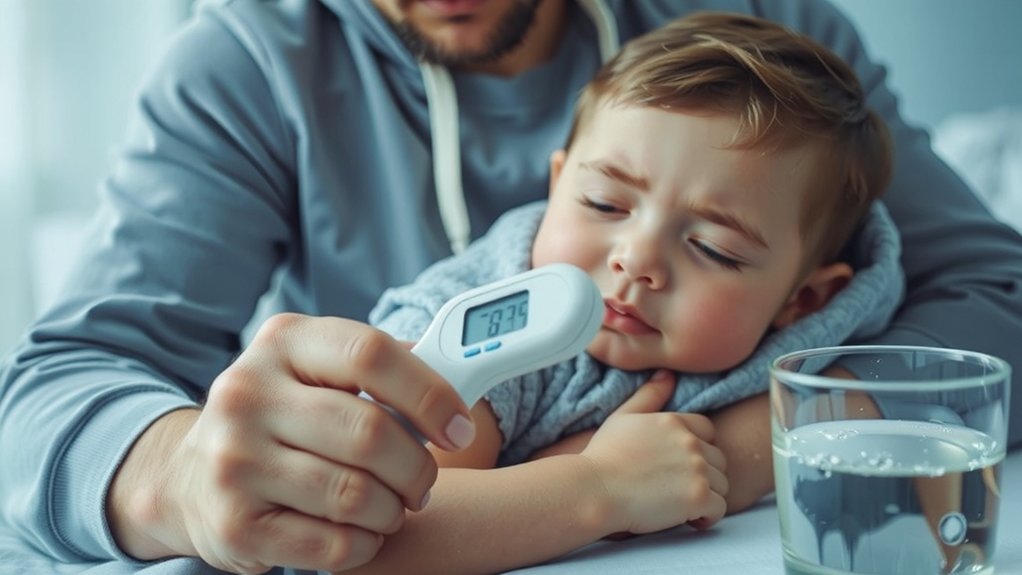
When is cold too cold? You want numbers, not vibes. For adults, you call it low when core temp drops below 97°F, and hypothermia hits at 95°F. That’s the line. Miss it, and you’re not “chilly,” you’re cold, period. Kids? Different game. Newborns run hot or low because Age Variation is real, and their Normal Ranges flex more. A rectal 97.7° to 99.5°F is fine for babies, but under 97.5° should make you pay attention. School‑age kids track closer to you. Morning temps slump, evening temps climb. Mouth, armpit, forehead—each site skews. Use the same method, same time, stop guessing. Numbers beat myths. You measure, you compare to Normal Ranges, you decide. Don’t outsource your judgment. Do the math. Own the reading. Right now.
Health Causes and Warning Signs of Low Body Temp
Your body runs cold and you shrug—bad plan. Thyroid on strike, blood sugar crashing, infection brewing, even meds messing with you—yeah, all can drag your temp down. If you’re confused or stumbling, shivering stops, lips go blue, or your breathing slows, stop playing hero and get urgent care now—sirens, not pride.
Underlying Medical Conditions
Though it feels like a cold room is the culprit, the real villain might be inside you. Low temp loves sneaky partners. Sluggish thyroid drags heat down. Adrenal trouble steals your spark. Infection whispers, metabolism slows. Malnutrition? It’s a thermostat thief. Anemia, diabetes, nerve damage, even certain meds—beta‑blockers, sedatives, opioids—push you lower. Alcohol pretends it warms you. It doesn’t. It dumps heat fast. Age and frailty add fuel.
You want answers, not excuses. Follow clear Diagnosis pathways: history, meds review, labs for thyroid and adrenal axes, iron, glucose, inflammation, plus medication reconciliation. Simple. Relentless. Then own Long term management. Treat the cause, not the blanket. Adjust meds. Fix nutrition. Support hormones. Tackle alcohol. Move more. Track temps. Stop guessing. Start acting. Today. No excuses.
Symptoms Requiring Urgent Care
Because low body temp can crash fast, treat these red flags like sirens. You shiver hard then stop. Not victory. That’s nerve failure. Your speech slurs. Your hands fumble keys like wet noodles. Wake up. If you feel sudden weakness or can’t think straight, you’re in the danger lane. Blue lips. Ice skin. Slow pulse. Don’t argue. Chest pain with cold? Call now. Confusion that flips to sleep? Shake it off and move, to help, to heat, to 911. Pride won’t insulate you. Action will.
| Sign | Why urgent | Act now |
|---|---|---|
| No shivering, drowsy | Shutdown risk | Call 911 |
| Chest pain, confusion | Heart/brain stress | Warm, 911 |
If drinking or drugs blur signs, don’t stall. Cold plus impairment stacks odds against you. Get help. Live, loudly today.
Immediate Steps if You or Someone Is Too Cold

You spot the signs or you blow it—violent shivers, slurred words, foggy thinking, clumsy hands. You act, not later—get them dry, wrap them tight, warm the chest first, and skip the blazing heater or that “tough guy” hot shower unless you want a crash. Go slow, go steady, offer warm sweet drinks not booze, call for help if they fade—don’t play chicken with cold, win now or regret it.
Recognize Hypothermia Signs
How do you know the cold is winning? You don’t guess. You watch. For nonverbal cues. For subtle behaviors that shout danger. Shivering that turns weird quiet. Skin going pale, waxy, or blue at lips. Slurred talk. Slow thoughts. You ask a simple question they should nail. They blow it. Hands clumsy. Walk unsteady. Irritable then oddly calm. Pulse weak. Breath shallow. Stop arguing with weather. Name the signs. Call them out. Now.
| Sign | What you see | Why it alarms |
|---|---|---|
| Shivering hard then stopping | Violent shakes fade | Body running out |
| Slurred words | Mumbles, wrong names | Brain chilled |
| Clumsy hands | Drops keys, fumbles zips | Nerves slowing |
If you spot these, don’t wait. Say it. Hypothermia. Take charge. Get help. Pride freezes faster. Than your excuses.
Warm Slowly and Safely
Warming right beats rushing stupid. You’re cold, not a steak on broil. Move inside now. Kill wind. Strip wet layers fast, keep modesty later. Dry. Then stack heat smart. Fabric Choices matter: ditch cotton, choose wool or synthetics that stay warm wet. Use Layer Strategies: thin base, puffy middle, windproof shell. Warm the core first. Chest, back, neck, groin. Hot packs wrapped in cloth, not bare skin. No space heater blast. No scalding shower. You’ll crash harder. Sip warm sweet drinks. No booze heroics. Hands and feet can wait. Don’t rub numb parts. Call for help if shivering stops, speech slurs, or confusion spikes. Stay with them. Share body heat if needed and safe. Slow. Steady. Winning. Do the work, save a life today.
Safe Indoor Temperatures and Protecting Your Home and Pipes
When the mercury dives, your house doesn’t care about your excuses—it wants heat, now.
Keep it at 68°F or higher when you’re home. Don’t argue. Below 60, pipes sulk, then split. You pay.
At night, drop to 65 if you must, but never off. Ever.
Open sink cabinets. Let warm air punch the cold.
Drip faucets on exterior walls. Slow water beats frozen silence.
Seal drafts, then get serious: Insulation Upgrades where heat leaks, Pipe Sleeving where ice strikes. Basement. Crawlspace. Garage.
Set thermostats to hold, not swing. Wild swings crack things.
Know your main shutoff. Touch pipes. Cold like a coin? Act.
Space heater? Fine—room only, clear space, no naps.
Power out? Wrap, drain, and bail. You’re the thermostat. Decide. Do it now.
Keeping Pets Comfortable and Safe in Cold Weather
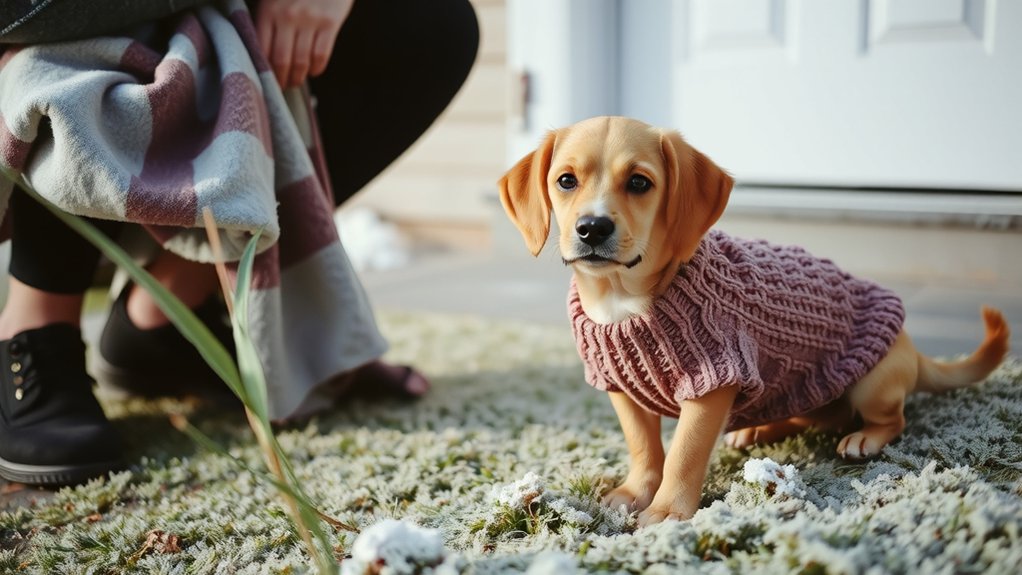
Even if you think they’re “tough,” your pet bleeds heat faster than you. Cold slaps them first. Thin ears. Naked bellies. You wait. They shiver. Be better. Limit outside time. Walk briskly, not heroically. Jacket on the whiner and the “wolf,” yes both. Paw Protection matters; ice burns, salt stings, and cracks invite infection. Booties if they’ll tolerate, balm if they won’t. Wipe paws at the door like you mean it. Water unfrozen. Food adequate. Cozy Bedding off the floor, away from drafts, with a smug pile of blankets. Crate? Line it. Garage? Not a den, a fridge. Don’t leave them in cars either. Watch signals. Stiff gait, tucked tail, glazed look. That’s trouble. You move now, not later. Warm them up inside, immediately.
Cold Effects on Appliances and Food Safety
Though the air bites, your appliances don’t feel “stronger” in the cold—they get stupid. You trust the fridge. The garage laughs. The thermostat sees 30°F and quits. Food warms. Then it freezes. Pick a lane, right? Cold rooms trick controls. Fridge insulation helps, but not when you shove it in an unheated shed. Freezer cycling stalls, then surges, smashing texture and safety. Meat gets risky. Milk turns funky. You get mad, but you waited. Fix it.
| Risk | Why it happens | What you do |
|---|---|---|
| Frozen produce | Thermostat fooled by garage cold | Move unit indoors |
| Warm milk | Freezer cycling stalls | Put a fridge thermometer |
| Spoiled leftovers | Bad door seals defeat fridge insulation | Replace gasket |
Keep backups, label dates, and toss doubt fast. No heroes. Eat safe.
How Low Temperatures Impact Vehicles and Batteries
Because the cold doesn’t care, your car does. You feel it at dawn when the starter drags and the dashboard begs. Oil thickens. Tires harden. Sensors sulk. You stomp the pedal like that helps. It doesn’t. The battery takes the hit first—chemistry slows, voltage drops, lights dim. Cold Cranking amps? You need more, not dreams.
You crave heat, but your pack hates it both ways. Winter speeds Battery Degradation by deep discharges, then slow, painful recharges. Short trips starve alternators. Idling wastes time and pride. Warm the cabin later. Warm the battery first. Park inside. Plug in. Ditch crusty terminals. Stop pretending luck turns engines.
Want proof? Miss one start. Watch plans die. Then buy a maintainer, not excuses. Do it now. No mercy.