
Here’s the twist you didn’t expect: in a no‑fault state, you crash, your insurer pays your medical bills—yes, even if you caused it. Fast money, fewer fights. But don’t relax. Fault still bites for your car damage, big injuries, and lawsuits once thresholds snap. PIP helps, then taps out. Miss the right coverages, you bleed cash. Think you’re set? Prove it—let’s test your policy choices next.
Key Takeaways
- In no-fault states, your own insurer pays initial medical bills and lost wages through Personal Injury Protection (PIP), regardless of who caused the crash.
- No-fault speeds benefits and reduces immediate lawsuits, but you must still file claims, document losses, and follow deadlines and policy terms.
- PIP covers medical care and some income replacement, not vehicle repairs or pain and suffering; coverage is limited to your policy’s chosen limits.
- You can sue the at-fault driver only if injuries meet a legal threshold, such as serious injury or high medical costs, or specific statutory exceptions.
- Choosing adequate PIP limits and deductibles, plus uninsured motorist coverage, helps manage costs and protect income in no-fault systems.
What “No-Fault” Insurance Means and How It Works
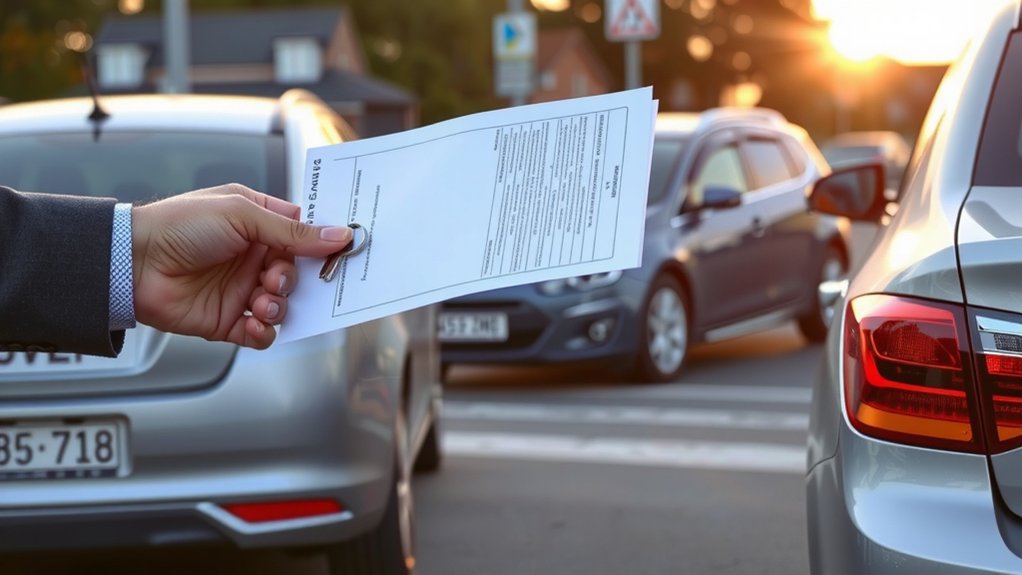
Why does “no‑fault” sound like a free pass? It’s not. You still pay premiums, you still file, and yes, you still sweat deadlines. Here’s the deal. No‑fault means your policy pays your medical bills and lost wages after a crash, fast, without courtroom theater. You tap Personal Injury Protection. You document, you submit, you breathe.
But don’t daydream. Limits hit hard. Miss forms, miss money. Claim Timelines matter. Thirty days can vanish like coffee on Monday. Treat now. Save receipts. Talk to your doctor like it’s a timer bomb.
And those State Variations? Wild. Some push strict medical thresholds, others cap wage benefits, a few demand verbal injury rules that twist your brain. Read your policy. Call. Push. Don’t nap. Act now. Stay loud.
No-Fault vs. At-Fault: Key Differences for Drivers

Although both start with a crunch, the rules split fast: in no‑fault, you call your insurer; in at‑fault, you chase theirs.
No‑fault pays your basic losses fast, then hammers out blame later. Smooth, not soft. At‑fault stalls, investigates, negotiates. Evidence matters. Witnesses vanish. Want speed? Go no‑fault. Want a duel? Go at‑fault.
Liability still counts for big repairs and lawsuits, but hassle changes. Your phone, or theirs. Your adjuster, or their lawyer. Pick your pain.
Here’s the kicker: behavioral incentives shift driver risk. In no‑fault, some drivers relax. Bad idea. Insurers watch accident statistics and price recklessness without mercy. In at‑fault, fear of paying pushes cleaner driving, or just louder blaming.
You plan for impact, or you plan for argument. Decide before the sirens.
Personal Injury Protection (PIP): What It Covers and What It Doesn’t
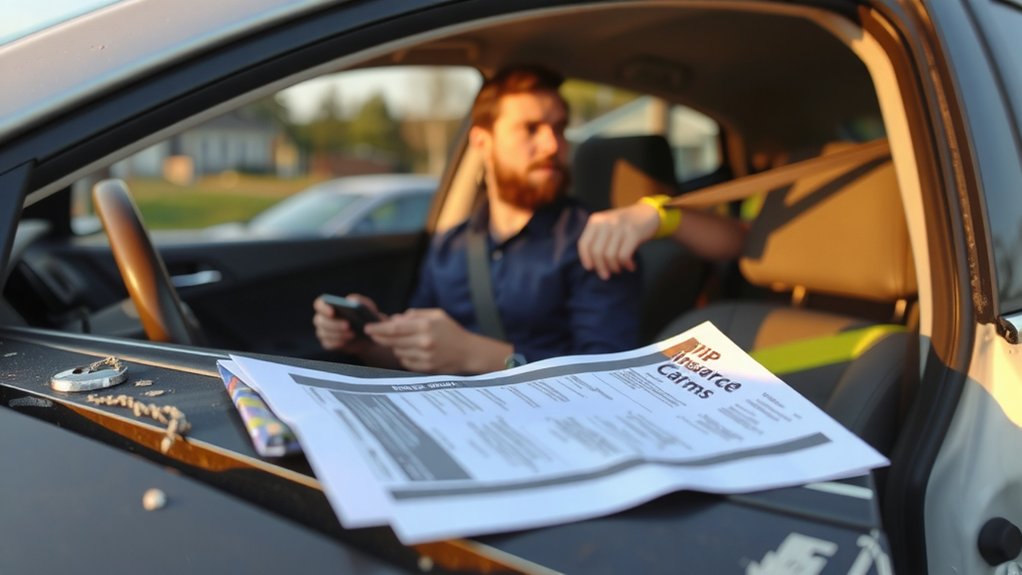
When metal folds and sirens bite, PIP pays you first. It covers your medical bills fast. Ambulance rides. ER chaos. Follow‑ups. Meds. Rehab expenses when your knee mutinies. Lost wages when your boss says clock in and your body says nope. Childcare or household services so life doesn’t collapse. Sometimes funeral costs. Yes grim. But real.
What doesn’t it cover? Your bumper. Your paint. Your tricked‑out rims. That’s collision or full‑coverage. It won’t buy pain and suffering, spa days, or miracle supplements. It won’t stretch past policy limits, no matter how loud you groan. It follows you after crashes, whether you drove, rode, or walked, but it doesn’t fix blame games. PIP keeps you moving. Not rich. Not healed. Just moving. For now today.
Lawsuit Thresholds, Exceptions, and When Fault Still Matters
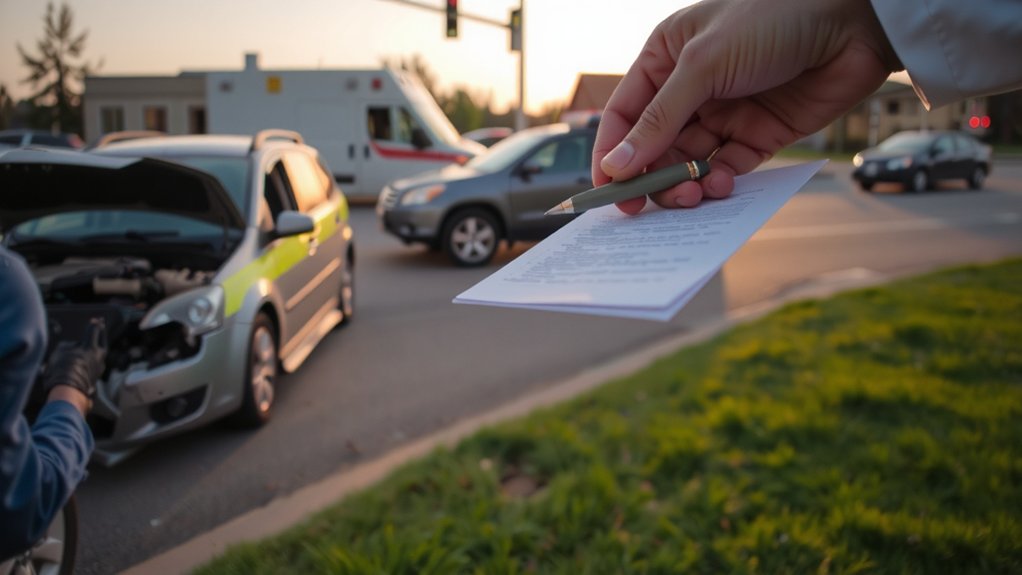
Because you live in a no‑fault state doesn’t mean fault dies. You don’t get a magic hall pass. You still sue, but only after you crack the gate. That gate is the lawsuit threshold. Money or injury. Bruises won’t cut it. Broken bones, disfigurement, or huge bills might. That’s where Threshold Calculations punch in. Add the medical costs, measure the scars, argue the words. Hit the mark, and you step outside no‑fault.
Legal Exceptions shove the door wider. Drunk driver? Yes. Hit‑and‑run? Yes. Intentional crash? Absolutely. Out‑of‑state wreck with an at‑fault tourist? Bring it. Totaled car and days off work? You can claim beyond PIP.
And fault still matters. Why? Because juries judge. Evidence stings. Percentages bite. Lie, and you lose. Cold. Hard. Truth.
Coverage Limits, Premiums, and Tips for Choosing the Right Policy
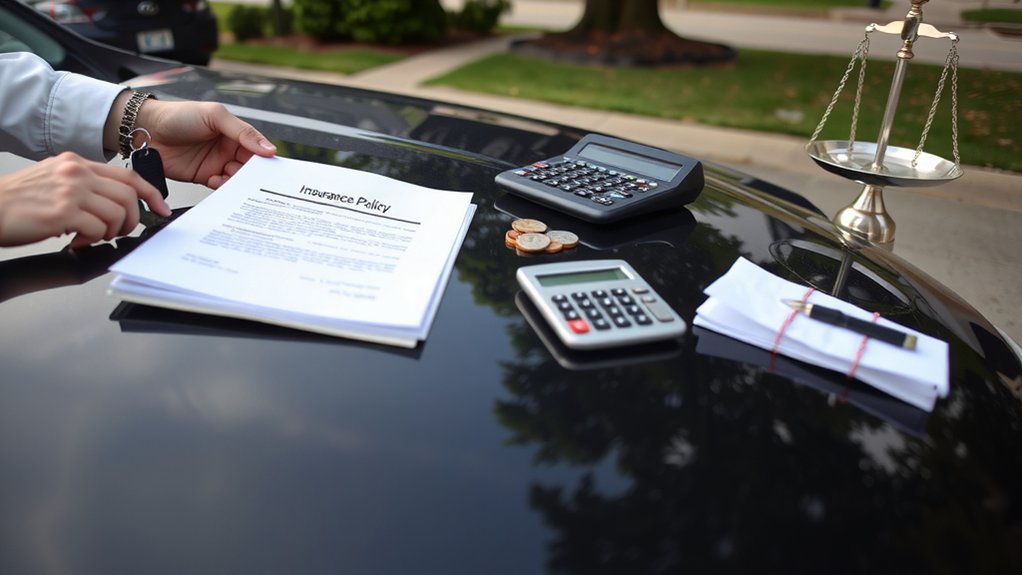
So how much protection do you actually buy—enough to limp by or enough to sleep at night? In a no‑fault state, your PIP is the workhorse. Low limits look cheap until an ambulance ride and two MRIs vaporize them. Want premiums down? Fine. Tinker with Deductible Selection, but don’t booby‑trap your wallet. Raise deductibles a notch, not a cliff. Match limits to your income, not your wish list. If you can’t replace three months of wages, your policy should. Add uninsured motorist. Hospital bills don’t care whose fault it was. Shop three quotes, same limits, same deductibles, same add‑ons. Apples to apples or you’ll fool yourself. Push Discount Maximization hard—bundles, telematics, good‑student, paid‑in‑full. Then cut toys, not coverage. Protect your future, not your ego.