
Think Pandora’s box—open your brand and chaos escapes. You need a trademark. It guards your name, logo, slogan, even that weird purple box and the “ding” your app makes. Not ideas. Not useful features. Not generic fluff. You want fans, not confused zombies. Use it, claim it, police it, or watch a copycat eat your lunch. Sounds harsh? Good. Because if your mark isn’t distinctive, it’s nothing—and here’s the move you skip every time…
Key Takeaways
- Trademarks protect source identifiers—brand names, business names, logos, and slogans—that distinguish your goods or services from competitors.
- They protect distinctive trade dress, including packaging, product look, storefront appearance, and overall visual presentation.
- Nontraditional marks—colors, sounds, motion marks, textures, mascots, and branding hashtags—are protected when they function as distinctive source indicators.
- Trademark protection guards consumers from confusion and links products to a single market origin, building brand trust.
- Trademarks do not protect functional features, inventions, or purely descriptive/generic terms; those fall under patent law or remain free for all.
The Role of Trademarks: Identifying Source and Preventing Consumer Confusion

Chaos loves a blank label, but trademarks slam the door on it. You want clarity, not guesswork. A mark points to one source. It shouts, this came from us, not them. That’s Market Signaling with teeth. You cut through noise. You stop copycats from riding your work. You spare buyers from dumb mistakes. No bait and switch. No fuzzy origin stories. They see your symbol and they trust you. That’s Brand Trust earned over time, defended in real time. When someone imitates, you act. Fast. You don’t debate. You stop confusion before it spreads like mold. Because hesitation costs sales, respect, and sleep. You’re building a clean channel from maker to mind. Crisp. Consistent. Recognizable. Doubt hates that. Your customers love it. Every day.
What Trademarks Protect: Names, Logos, Slogans, Trade Dress, and More

While you chase sales, your mark guards the obvious and the sneaky.
It locks down your name. It shields your logo, even through logo evolution, so copycats flinch. It grabs slogans that punch like “Think Different,” not limp filler. It covers trade dress—the look of your storefront, your bottle contour, your candy stripe. Colors too. Tiffany blue. UPS brown. Sounds count. A startup chime. A stadium chant. Even a mascot face grinning like it owns Saturday. You’re building brand heritage, not a hobby. Protect motion marks. Packaging textures. Hashtags that truly brand. Stop imitators early. Sue if you must. Or enjoy confusion. Your call. But own the signal consumers trust. Own the vibe they remember in three seconds flat. Mark it. Keep it yours.
What Trademarks Don’t Protect: Ideas, Functions, and Purely Descriptive Content

You can’t slap a TM on an idea and call it yours—thoughts aren’t brands, they’re air. And those plain words that just describe what you sell—“fresh bread,” “fast plumbing,” “blue shirts”—don’t get a crown either. Want protection? Pick something that points to you, not the product’s basic facts, or watch your “genius concept” get shared by everyone tomorrow.
Ideas Aren’t Protected
Even if your idea feels like gold, trademark law won’t touch it. You can’t lock up a spark. Not a concept. Not a vibe. Trademarks guard source identifiers, not daydreams. You want protection for ideas? Wrong door. Do the work. Name it. Use it. Stick it on goods. That’s protectable.
So stop clutching napkin sketches like treasure. In creative collaboration, share wisely or keep quiet. During idea pitching, use NDAs or accept the risk. Because once you blurt it out, anyone can build it faster and louder. Brutal. True.
Think Nike’s swoosh, not “shoes that fly.” The mark signals origin. The idea? Free air. You own expression, not the ether. Brand it or watch someone else sprint past you. Your move. Do it now.
Purely Descriptive Terms
Harsh truth: purely descriptive terms get no trademark shield. You can’t lock down “Cold Milk” for milk. Or “Fast Shipping” for delivery. That’s not branding. That’s dictionary talk. Consumers need those words free. You want exclusivity? Earn it. Hint: suggestive beats descriptive. Dig into etymological origins, chase a semantic shift, build meaning beyond the product’s bare features. Coin, twist, imply. Don’t explain. Make me think once, not yawn twice. You’re naming a flag, not writing a label.
| Term | Why It Fails | Possible Fix |
|---|---|---|
| Fresh Bread | Simply states quality | FreshForge |
| Cheap Flights | Describes price | SkySly |
| Fast Cleaning | States function | WhirlWipe |
Still stubborn? Then expect rejection, delays, and wasted cash. Build distinctiveness now, or watch rivals use your words freely. Every. Single. Day.
Trademarks vs. Copyrights, Patents, and Trade Secrets
You want one tool to rule everything? Tough luck; trademarks hit brand signals—names logos slogans—not your novel, gadget, or secret recipe. You register trademarks for muscle and notice, copyrights show up at creation, patents demand exams cash and patience, and trade secrets live only if you shut up and lock it down; use keeps trademarks alive forever, patents grant a short hard monopoly, copyrights linger for decades, and trade secrets last until you blow the hush—so pick your weapon now.
Protected Subject Matter
While everyone mashes these terms together, they don’t protect the same thing—and mixing them up costs you. Trademarks protect source identity. The name, logo, slogan, trade dress that makes buyers say yep, it’s you. Not ideas. Not inventions. Not stories.
Copyright shields original expression—songs, code, photos—unless it’s Public domain. Your logo art might be copyrighted, but the mark itself guards consumer meaning in the marketplace, even during Noncommercial use confusion bait. Different lane.
Patents? They cover novel inventions and methods. Function, not vibe. Try trademarking a mechanism and watch it crash.
Trade secrets protect valuable confidential know‑how. You leak it, you lose it. Simple.
Registration and Formalities
Because paperwork either crowns you or buries you, let’s get real about registration. Trademarks need an application, clear identification, specimens, and honesty about first use. Expect office actions. You’ll argue confusion, descriptiveness, and maybe disclaimers. File fast if you want priority claims across borders. Miss details, eat delay.
Copyrights? You create, it exists. Registration is optional but weaponizes lawsuits and damages. Cheap, fast, no examiner grilling you.
Patents are the opposite. Formal claims, drawings, oaths, fees, and a long exam. Prior art hunts. Precision or die.
Trade secrets laugh at registries. You protect by silence, NDAs, access gates, audits. Slip once, it’s gone.
Bottom line. Pick the system that fits your asset. Then respect the paperwork. Or it’ll wreck you. Start now. Stop guessing.
Duration and Exclusivity
Paperwork gets you in the door; time decides who stays. Trademarks don’t fade on a timer; you renew, you use, you keep. That’s your brand lifespan, not some fragile fuse. Use it or lose it, yes, but you can own that name forever. Copyrights? Tick tick tick. Life plus decades then bye. Patents? Twenty years and the clock laughs. Trade secrets? Last as long as you shut up and lock the file.
Exclusivity? You police it. You build competitive barriers. You stop freeloaders. You scare copycats. Market first, defend hard, rinse repeat. A bold mark sticks like gum on a shoe. Let it drift and a judge calls it generic. Fight and you own the lane, the sign, the story. Today. Not tomorrow. Ever.
Distinctiveness and Eligibility: From Generic to Fanciful
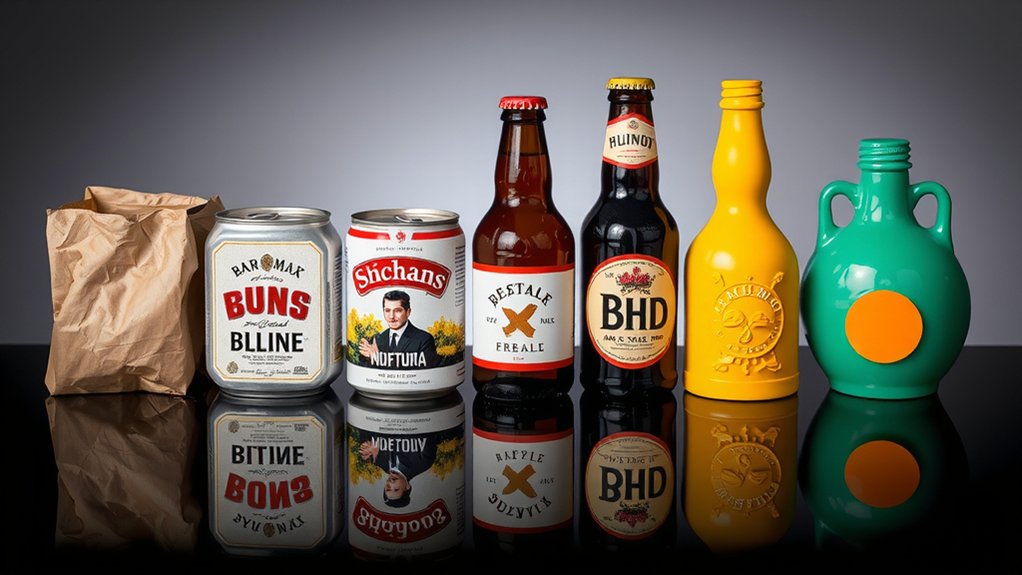
Although every name begs to be a brand, only the distinctive get protection. You want a mark that hits hard. Generic terms? Dead on arrival. Descriptive words? Maybe, but only after secondary meaning, and that takes sweat. Suggestive marks? Better. They hint, you think, you buy. Arbitrary and fanciful? Now you’re dangerous. Apple for computers. Kodak for nothing else. You own the mental real estate. Push higher on the ladder or get stepped on. Don’t pick a wet noodle and expect a sword fight. Aim bold. Defend bold. Be unforgettable.
| Category | Status |
|---|---|
| Generic | No protection |
| Descriptive | Needs secondary meaning |
| Suggestive–Arbitrary/Fanciful | Strong to strongest |
Pick the highest rung you can defend today. Then hammer it into memory with use, repetition, story, and guts. Right now.
Securing and Maintaining Rights: Searches, Filing, Use, and Renewal
Every real mark starts with a search. You scan databases, smash assumptions, and kill look‑alikes before they kill you. Clear? Then file. Not tomorrow. Now. Pick the right classes, claim real goods, and give specimens that actually show use. Sloppy screenshots? Trash. You maintain rights by using the mark in commerce, routinely, loudly, on packaging, sites, invoices. No use, no rights. Simple.
Deadlines sneak. You won’t let them. Docket filings, track office actions, and calendar renewals like rent. Section 8. Section 9. Proof of continued use. Miss it, and the registration vanishes. Poof.
Protect your paperwork with brutal record retention. Teach your people. Team training beats “I forgot” every time. And when doubts creep in, audit. Fix gaps. File corrections. Keep moving. Stay ready.
Enforcing Your Brand: Monitoring, Policing, and Remedies at Home and Abroad
Because copycats don’t sleep, you can’t either. You monitor. You pounce. Set alerts, hire watchers, scrape marketplaces. See a fake? Drop a takedown. Send a cease‑and‑desist. Then sue if they smirk. At borders, use Customs Recordation so officers seize junk before it poisons your shelf. Abroad, partner with local counsel. Raid hard. Don’t apologize. Online, crush Domain Disputes with UDRP speed. Lock handles. Kill look‑alike ads. If they persist, seek injunctions, damages, fees—make copying hurt.
| Threat | Your Move |
|---|---|
| Counterfeit containers | Border seizures |
| Squatted domain | UDRP transfer |
| Clone listing | Platform takedown |
| Gray import flood | Selective distribution |
Police your mark daily. Train distributors. Track serials. Document everything. You’re the brand. Act like it. No mercy for thieves, no excuses for delays, no room for doubt. Ever.