
You want energy; your hemoglobin ghosts you. You drag up stairs, see stars, feel breathless—no, you’re not lazy, your blood’s underperforming. Low hemoglobin means less oxygen to muscles and brain, so fatigue hits hard and fast. Why? Iron, B12, folate, bleeding, chronic illness—pick your culprit. Fix it or it fixes you. Tests are simple, solutions targeted. But miss the signs—chest pain, fainting, pale lips—and the consequences aren’t cute. So what’s your move?
Key Takeaways
- Hemoglobin is the blood protein that carries oxygen, removes carbon dioxide, buffers pH; levels affect energy, cognition, and organ function.
- Low hemoglobin causes fatigue, shortness of breath with activity, dizziness, headaches, paleness, cold hands, brittle nails, poor concentration.
- Common causes include blood loss, iron/B12/folate deficiencies, chronic disease, pregnancy, intense training, malabsorption, certain medications, alcohol, parasites, and older age.
- Diagnosis uses a CBC, red cell indices and smear, reticulocyte count, and clinical history to identify deficiency, blood loss, or marrow problems.
- Treatment targets the cause (iron, B12, stopping bleeding); seek urgent care for chest pain, fainting, rapid heartbeat, black stools, or breathlessness at rest.
What Hemoglobin Does and Why Levels Matter

Breathe in. You think air alone powers you? Cute. Hemoglobin does the heavy lifting, grabbing oxygen in your lungs and delivering it like a tireless courier to every frantic cell. That’s oxygen transport, not magic. Drop the hero and your muscles stall, your brain sulks, your plans crash. Hemoglobin also carts carbon dioxide away and buffers acids, pushing pH regulation so your chemistry doesn’t flip the table. Precision, or chaos. Simple.
You want energy on demand? Then protect the protein that makes it happen. Iron fuels it. Hydration helps it flow. Altitude, illness, and lousy diets kick it in the shins. You can ignore that. Sure. And pay for it later. Or you can own it now. Choose oxygen. Choose control. Your move, body.
Signs and Symptoms of Low Hemoglobin

How do you know it’s dipping? You feel wrecked after stairs. Breath short. Heart racing like it’s late for class. Your legs burn, then quit. That’s exercise intolerance, not drama. You sit, still tired. You stand, world tilts. Pale face in the mirror—great vampire cosplay, minus the fun. Headaches nag. Focus slips. You reread the same line again again. Cold extremities? Yep, fingers like ice cubes, toes throwing tantrums. You crave naps at noon, then at four, then again because why not. Sleep doesn’t fix it. Irritable for no reason, snapping at toast. Nails brittle. Mouth sore. Chest tight when you push too hard. You swear you used to be stronger. Prove it. Track the basics—energy, breath, pulse, recovery—starting now. No more excuses. Move.
Common Causes and Risk Factors

You felt the crash. Your energy didn’t just fade, it bailed. Why? Start with blood loss. Heavy periods, sneaky ulcers, nosebleeds you shrug off—each drop counts. Then diet. Skip iron rich foods, dodge B12 and folate, and boom—dietary insufficiency writes the script. Blame runs in families too; genetic predisposition flips the switch and laughs. Chronic illness drags you down—kidney disease, cancer, autoimmune storms. Pregnancy steals your supply; babies are adorable thieves. Teens grow fast; athletes pound mileage; both burn through stores. Alcohol shoves marrow around. Some meds nick the gut. Celiac and bariatric surgery block absorption; parasites party. Older age adds inertia. You think you’re fine. You’re not. Fix the leaks, feed the factory, respect your limits, and stop pretending. Do something about it.
How Low Hemoglobin Is Diagnosed
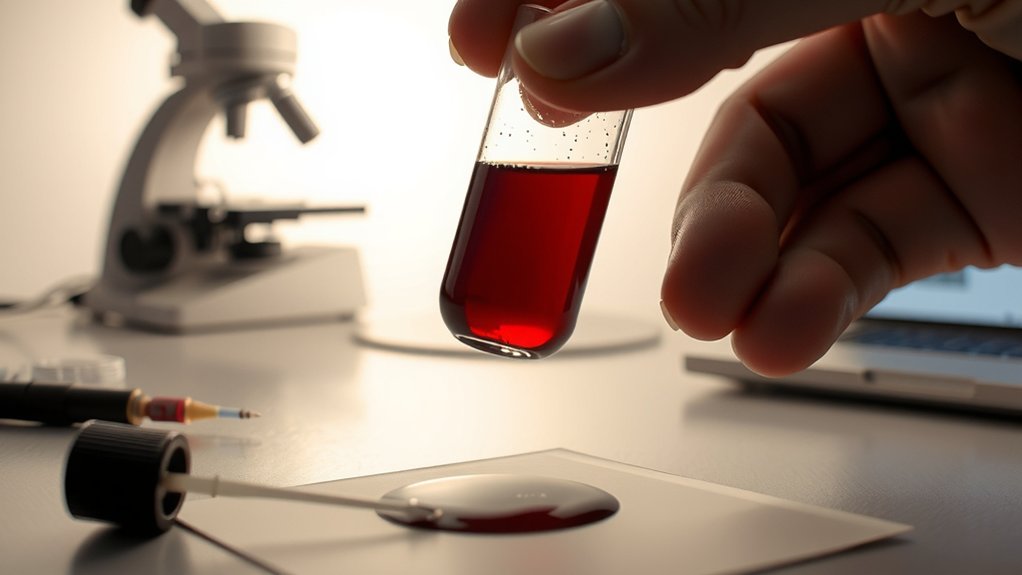
Why wait to guess when a tube of blood can tell the truth? Your doctor orders a complete blood count. Not witchcraft. Numbers. Hemoglobin low or not. Red cell count, size, color. You want CBC interpretation, not blind faith. Microcytic screams iron issues. Macrocytic shouts B12 or folate. Normocytic mutters blood loss. Then the peripheral smear steps in, like a crime scene spotlight. Shapes matter. Tiny pale discs? Target cells? Spherocytes? Clues, not decoration. Reticulocyte count asks a hard question—are you making cells or just breaking them. Hemolysis labs back it up. History and exam tie the story together—fatigue, pallor, fast pulse. Altitude, pregnancy, recent illness. No drama, just data. Stop guessing. Get pricked. Get answers. Own the facts, not fear. Start testing today.
Treatment Options and When to Seek Care

Even if the numbers look ugly, there’s a fix—if you stop stalling and act. First, figure the cause, then hit it hard. Iron low? Take iron. B12 tanked? Replace it. Bleeding? Find it, plug it, move on. You ask about transfusion thresholds. Doctors use them so you don’t get blood you don’t need, but if you’re crashing, you get it. Simple. Not dying? Good. Then outpatient management works: pills, diet, shots, follow‑ups, repeat labs. You want energy back? Earn it. Take meds. Eat protein. Hydrate. Stop pretending sleep fixes anemia. When to seek care? Chest pain, fainting, fast heartbeat, breathless at rest, black stools, pregnancy with dizziness. Don’t bargain with those. Go now. Otherwise, call your clinician today and schedule a plan. Do it.